
S7V7F5 - Voltage converter step-up/step-down - 5V 1A - Pololu 2119
S7V7F5 - Voltage converter step-up/step-down - 5V 1A - Pololu 2119 – 2
S7V7F5 - Voltage converter step-up/step-down - 5V 1A - Pololu 2119 – 3
S7V7F5 - Voltage converter step-up/step-down - 5V 1A - Pololu 2119 – 4
S7V7F5 - Voltage converter step-up/step-down - 5V 1A - Pololu 2119 – 5
S7V7F5 - Voltage converter step-up/step-down - 5V 1A - Pololu 2119

The product's shade and actual color may differ from what is shown in the picture, as the images are for illustrative purposes. The product description is general and may not include all the product's features.

S7V7F5 - Voltage converter step-up/step-down - 5V 1A - Pololu 2119

21.35
3728476

AN-00941

5904422305741

Shipping 11-18 b.d.

You are interested in this product?
(Read terms of service)

All about the product

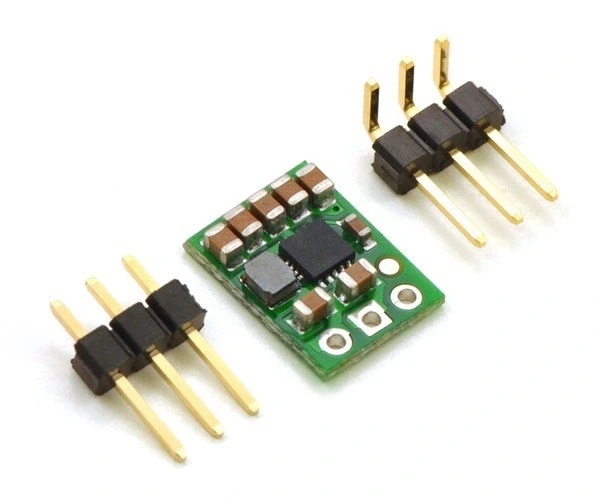
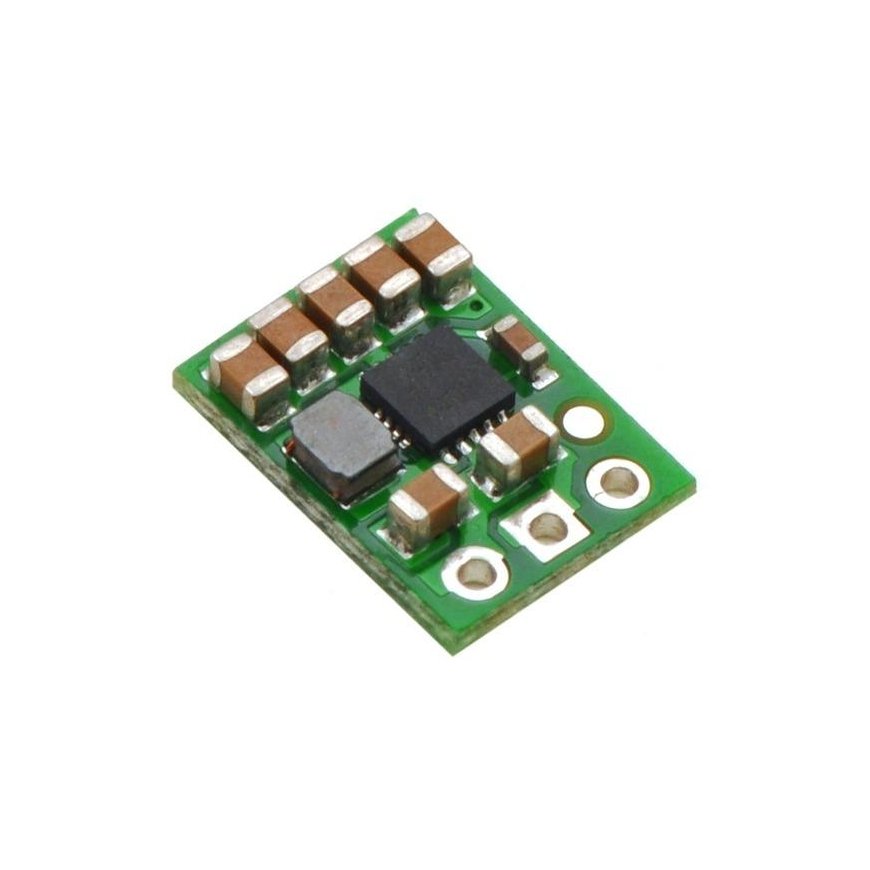
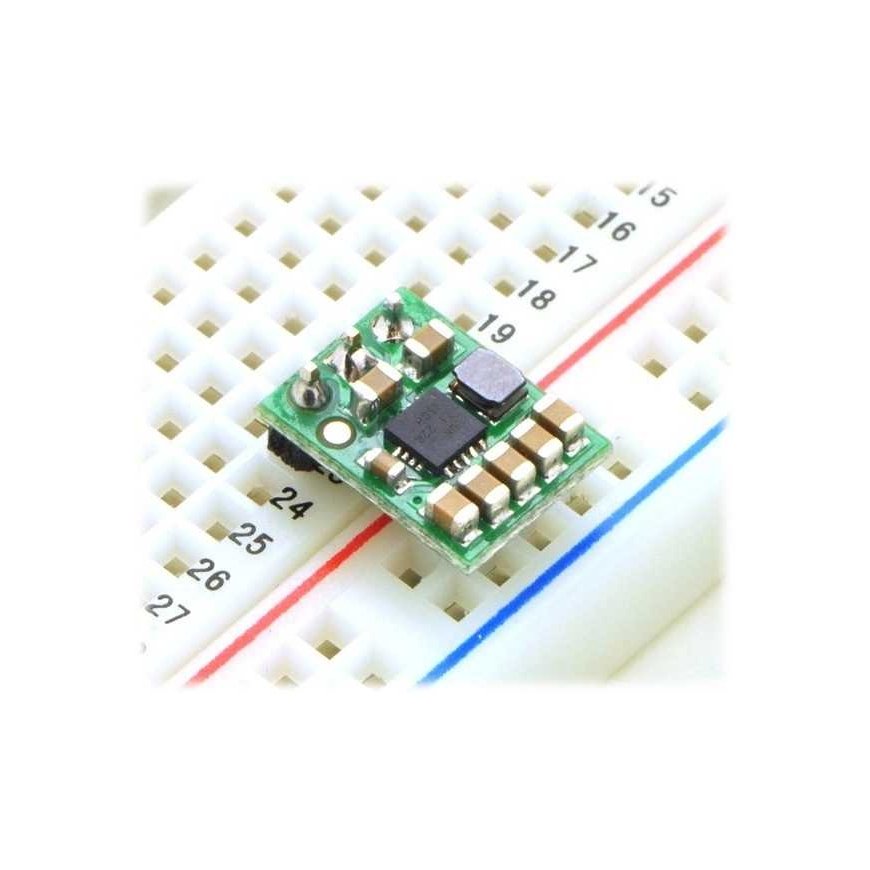
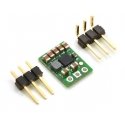
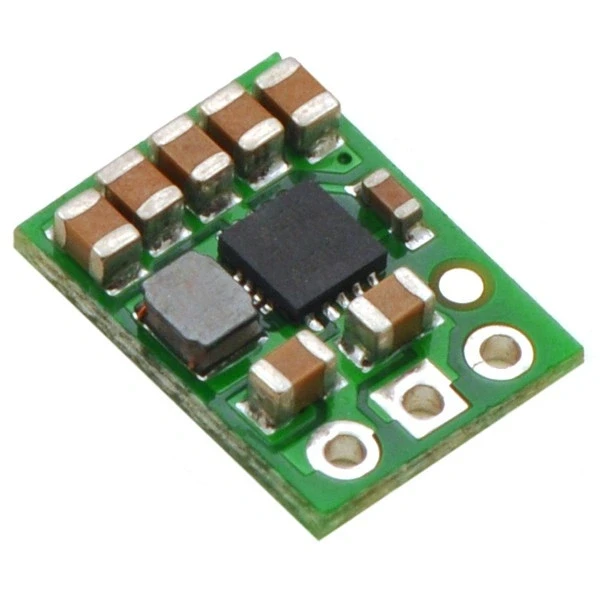
Miniature pulse converter module powered from 2.7V to 11.8V. Output voltage is set to 5V. Maximum current is 1A. Dimensions: 9x12x3mm.

S7V7F5 – step-up/step-down converter – 5V 1A – Pololu 2119

The converter is used to power circuits operating at 5V. The system has a wide input voltage range, making it ideal for battery-powered applications. Using the S7V7F5 ensures power stability throughout the entire battery discharge cycle. To increase reliability, the module is equipped with short-circuit protection and an automatic power-off system when the permissible operating temperature is exceeded.

How to use

The module is very easy to use, it has three main pins:

  • VIN - input voltage range 2.7V - 11.8V. If it is lower, the module will not turn on; a higher voltage may damage the system.
  • GND – ground potential.
  • VOUT - output voltage 5V.
  • The permissible input voltage range is from 2.7V to 11.8V. At a lower value, the regulator will not turn on. A higher voltage may damage the system.

The output voltage is set to 5 V, but can be up to 5.2 V when there is no load or a small load.

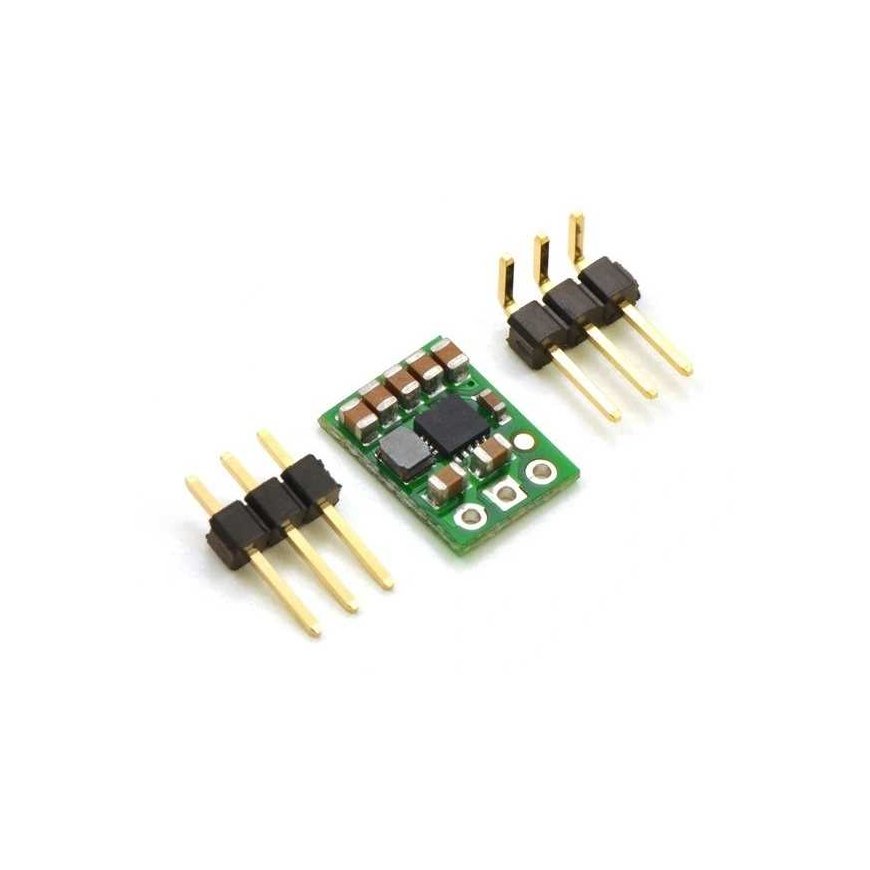
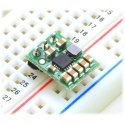
The connections are properly labeled on the board. The pin pitch is 2.54 mm (popular gold pin connectors). The module can be connected to a breadboard, connected using wires, or soldered to a dedicated printed circuit board.
s7v7f5-itampos-keitiklis-step-upstep-down

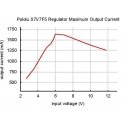
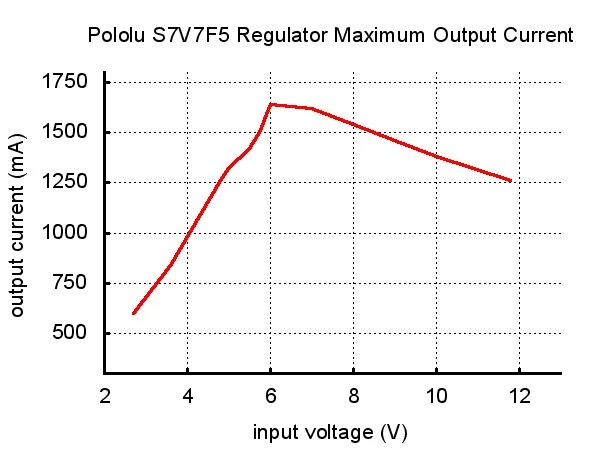
Output current
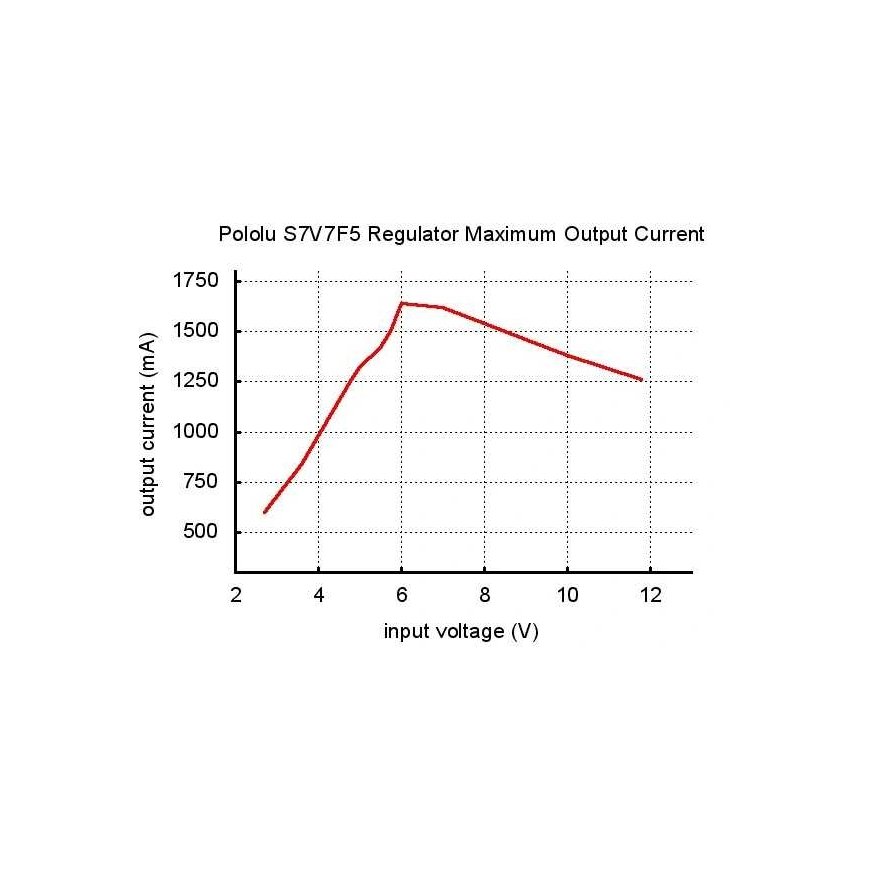
The maximum current that can flow through the system depends on the input voltage. Provide this connection in the diagram below:
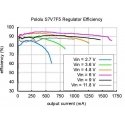
Efficiency
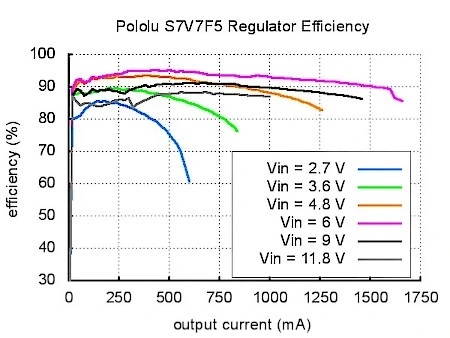
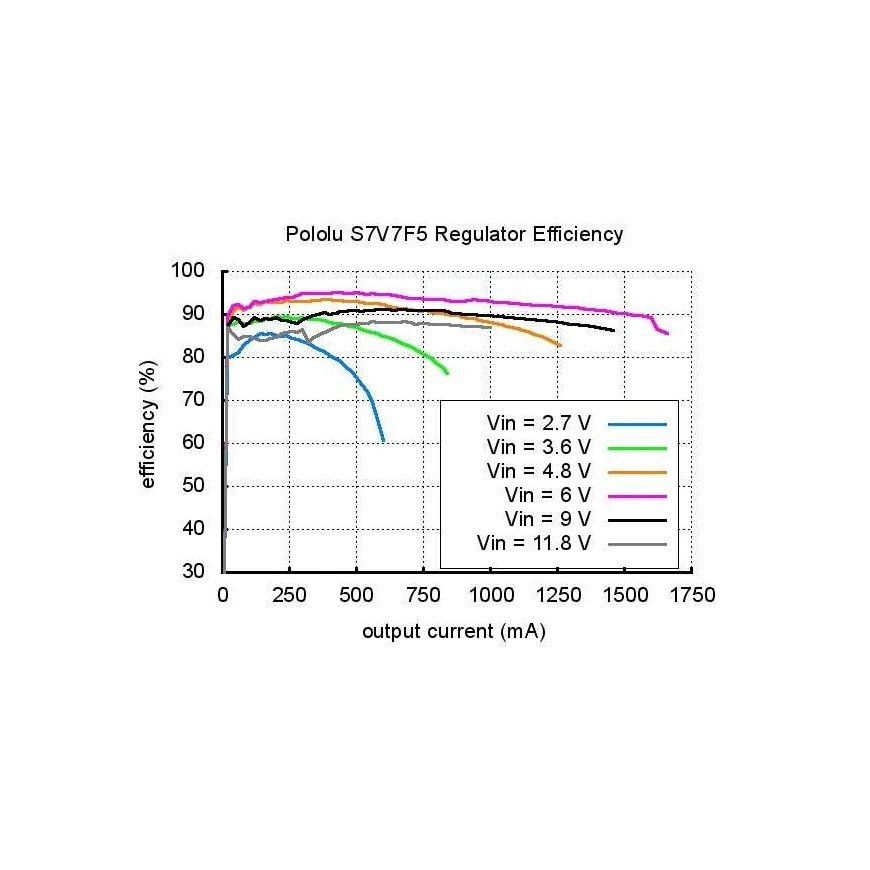
This parameter is especially important when powered by batteries, where it is crucial for the system to operate as long as possible on a single charge. The efficiency of the converter depends on the current flowing and the input voltage (see the diagram below). On average, it is 85–95%, allowing for practically maximum utilization of battery energy.
s7v7f5-itampos-keitiklis-step-upstep-down
Voltage spikes (pins)
In electronic circuits, inrush current can cause so-called spikes, i.e., sudden voltage spikes to values exceeding the set level. If the pin amplitude exceeds the regulator's threshold value, it can be damaged. Therefore, if the system is powered by a voltage higher than 9 V or the load has high inductance, we recommend soldering a 33 uF / 25 V or higher capacitor as close to the system as possible between VIN and GND.
s7v7f5-itampos-keitiklis-step-upstep-down
Specifications:
  • Input voltage: from 2.7V to 11.8V
  • Maximum output current:
  • 1A (down)
  • 0.5A (boosted)
  • Output voltage: 5V
  • Temperature protection
  • Dimensions: 9x12x3mm
  • Weight: 0.5g (without connectors)
s7v7f5-itampos-keitiklis-step-upstep-down