

 RAM-ageddon 2026: Why Your New Phone and Console Just Got €100 More Expensive
 - RAM-ageddon 2026: Why Your New Phone and Console Just Got €100 More Expensive
-
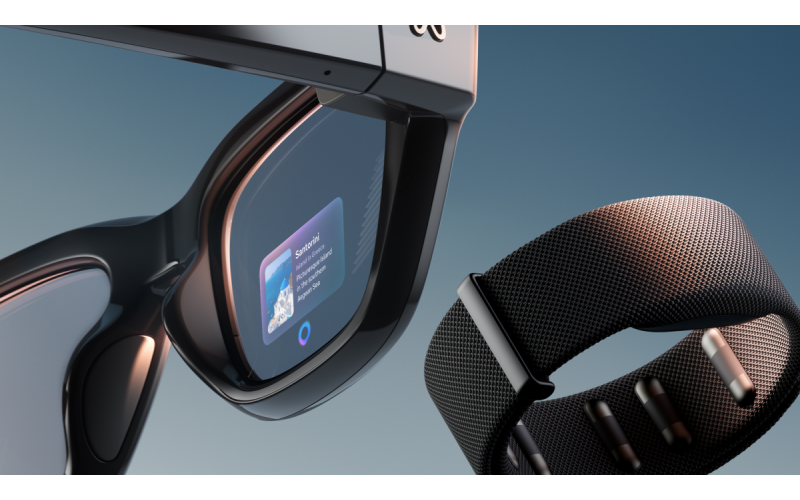 Smartphones are now coming with artificial intelligence: who is already selling, who is advertising on July 22 - and why Apple gave in
 -
 Intel has entered handheld consoles - AMD is no longer the only one
 -
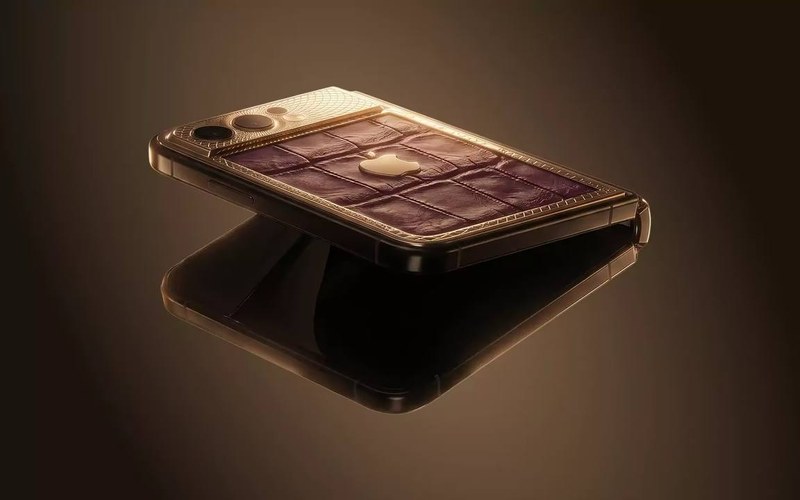 Apple Orders 10 Million Foldable iPhone Ultra Units — Reports
 -
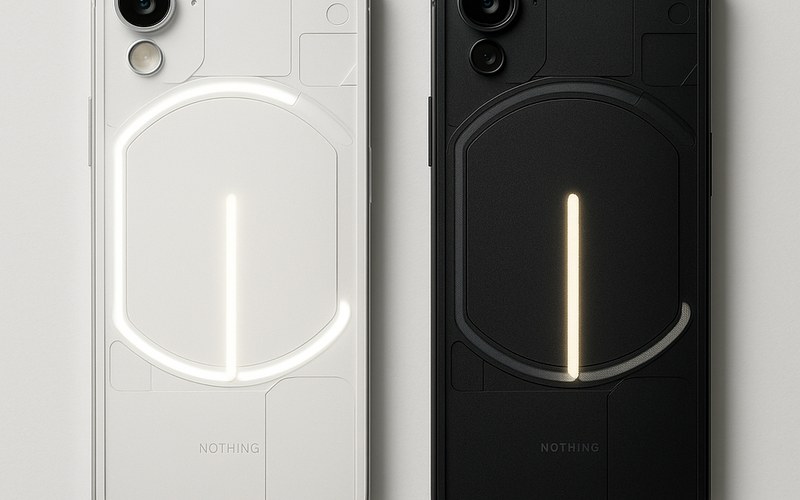 €329, 5200 mAh and Software Support Until 2032 — What the Nothing Phone (4b) Really Offers
Juicers
3106735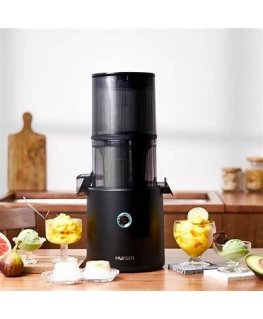
3419295
3419028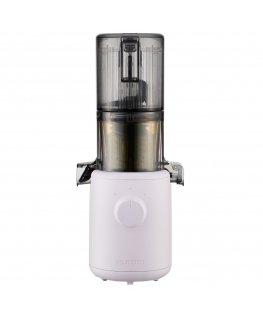
3129620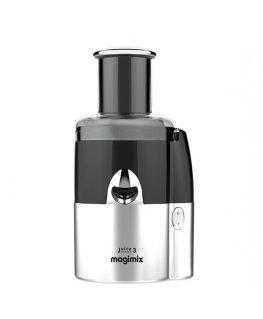
3683422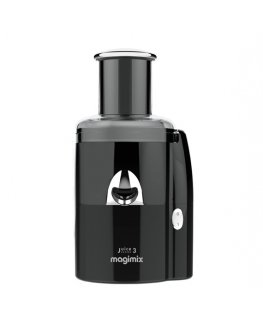
3701253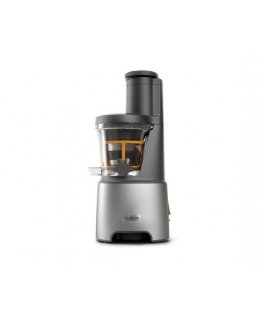
1482306319.00Monthly payment from 9.11 €MPN: JMP85.000SI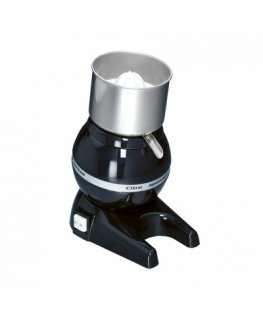
563880283.59Monthly payment from 8.20 €MPN: 40174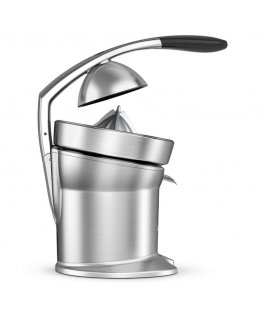
2542476271.36Monthly payment from 7.89 €MPN: SCP800BAL4EEU1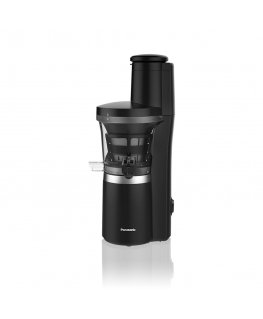
759436271.15Monthly payment from 7.88 €MPN: MJ-L700KXE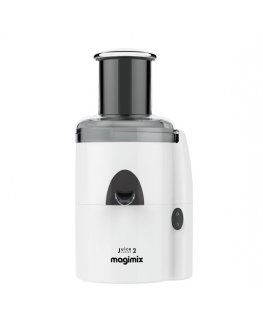
3683452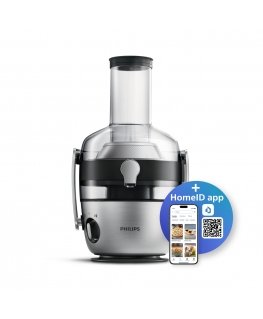
1114568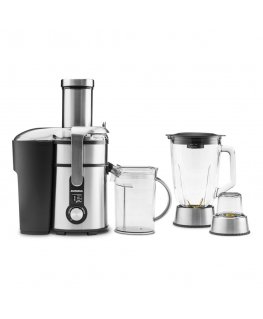
2292615211.22Monthly payment from 6.34 €MPN: 40153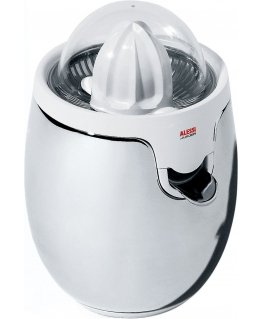
2648900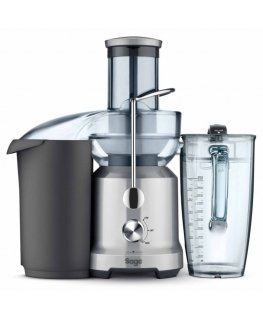
2168029191.90Monthly payment from 5.84 €MPN: SJE430SIL2CEU1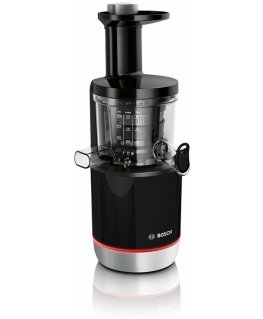
541241
1008013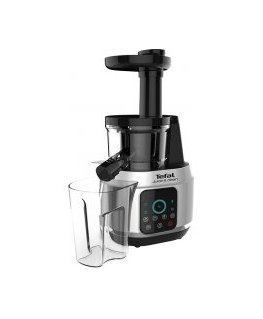
798233- -12%
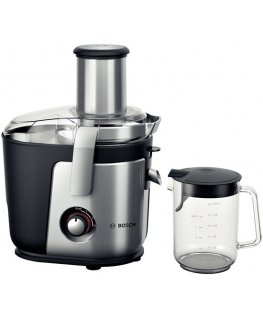
581557201,91 € 24,03 € 177.88Monthly payment from 5.48 €MPN: MES4010 - -2%
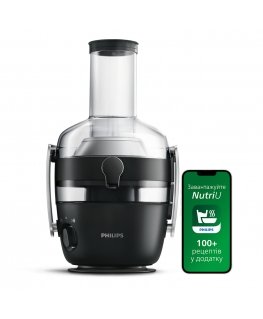
2225403181,42 € 3,86 € 177.56Monthly payment from 5.47 €MPN: HR1919/70
Types of juicers
Slow (masticating, cold-press) juicers run at low speed, don't heat the juice and preserve the most vitamins — ideal for leafy greens, celery, herbs and nut milk. Centrifugal juicers extract juice in seconds at high speed — the best choice for apples, carrots and other hard produce, especially when you have a big harvest. Citrus presses quickly squeeze oranges, grapefruits and lemons.
How to choose a juicer
Pay attention to a few things:
• Extraction type — masticating for vitamins and greens, centrifugal for speed and large volumes.
• Feed chute width — a wide chute lets you drop in whole apples without cutting.
• Power and speed — affect how fast it works and whether it handles hard produce.
• Juice yield and pulp dryness — good masticating models give more juice.
• Easy cleaning — removable, dishwasher-safe parts save time.
Brands and prices
The range includes Hurom, Magimix, Kenwood, Gastroback, Sage, Panasonic and Philips. Prices are mostly in the 349–689 € range, with monthly instalments available, so you can get a premium model without paying it all at once.
Homemade apple juice: an easy recipe
Autumn in Estonia always brings a rich apple harvest — a perfect reason to make natural juice with no sugar or preservatives. All you need is a juicer and ripe apples.
• Take 2–3 kg of apples — enough for about 1.5–2 litres of juice.
• Wash the fruit and remove the cores (with a centrifugal model you can add whole apples if the chute allows).
• Run the apples through the juicer and strain the juice through a sieve if you want it clear.
• For extra flavour add carrot, a little ginger or a handful of blackcurrants.
• Drink it fresh or store it: heat the juice to 80–85 °C (don't boil), pour into sterilised jars and seal.
A masticating juicer gives more juice that keeps longer; a centrifugal one is handier when you have lots of apples to process quickly.
Frequently asked questions
Which juicer is best for apples?
For a big harvest a centrifugal juicer is faster. If maximum juice and vitamin retention matter more, choose a masticating (slow) juicer.
What's the difference between a masticating and a centrifugal juicer?
A masticating juicer presses slowly and without heat, so the juice keeps longer and holds more vitamins. A centrifugal juicer works fast at high speed and usually costs less.
Can I juice greens and celery?
Yes, but only with a masticating juicer — centrifugal models handle leafy greens and herbs poorly.
How many apples do I need per litre of juice?
About 1.3–1.5 kg of apples per litre, depending on how juicy the variety is.
How do I store fresh juice?
In the fridge it keeps for 1–3 days. For longer storage, pasteurise it at 80–85 °C and seal it in sterilised jars.
Is a juicer easy to clean?
On most models the parts detach and are dishwasher-safe. Masticating juicers take a little longer because of the mesh filter.