

Tech prices are climbing, and the reason is unexpected
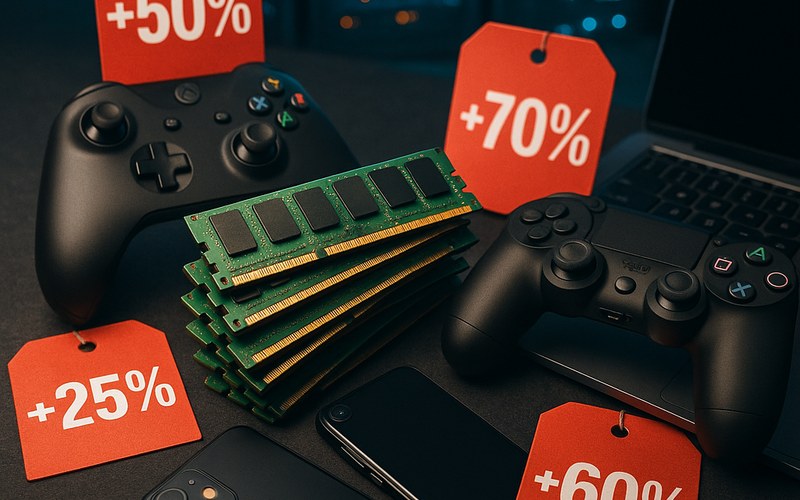
If it has felt over the past couple of months like laptops, smartphones and game consoles suddenly became noticeably pricier, you are not imagining it. The phenomenon is entirely real and global in scope. Market analysts have given it a name — RAM-ageddon — and as things stand, it is still gathering momentum.
The cause lies in AI data centers, which have bought up almost all of the world's memory manufacturing capacity. Samsung, SK Hynix and Micron have redirected their factories toward producing HBM (High Bandwidth Memory). This memory is essential for AI chips and brings manufacturers margins three to five times higher than ordinary DRAM. The result is a memory shortage in consumer devices — the worst since 2011.
The numbers speak for themselves
According to TrendForce, the contract prices that device makers pay memory firms have risen as follows:
- DRAM: +90–95% in the first quarter of 2026 (PC DRAM set a record of over 100%), +58–63% in the second quarter
- NAND (SSD memory): +55–60% in the first quarter, +70–75% in the second quarter
- In the third quarter growth slows somewhat, but prices keep rising and no decline is in sight
In European retail the shift is already tangible. A year ago a 32 GB DDR5 memory kit cost 70–90 euros. As of June 2026, the same kit runs over 300 euros. DDR3 and DDR4 memory has become up to three times pricier over the year, and M.2 SSDs up to twice as expensive. High-capacity 8 TB drives now start at 1,029 euros.
Laptops and PCs: manufacturers have officially acknowledged the hikes
The big names aren't hiding the reason. Microsoft raised prices across the entire Surface lineup and officially blamed the rising cost of memory components. Framework announced that DDR5 has climbed to 13–18 dollars per gigabyte and advises buyers to add memory themselves where possible (BYO). Acer warned investors that DRAM rose 50% in just a few weeks and that this pressure inevitably reaches consumer prices.
IDC estimates that average PC selling prices will rise by up to 8% in 2026. At the same time, a curious trend has emerged. Some makers are starting to sell computers with no memory installed to keep the sticker price low on paper. To actually use the machine you have to buy memory separately, which makes the true total cost of the deal far less transparent right now.
Smartphones: less memory and higher prices
Xiaomi president Lu Weibing has already officially warned that the company's phones will get more expensive. The Xiaomi 17 Ultra rose by roughly 10%. Samsung is weighing price increases of up to 10% for the Galaxy S26 and its new foldables (Z Fold and Flip 8). According to TrendForce analysis, budget Android phones face a return to 4 GB of RAM as the base configuration, simply because memory is too expensive to build cheap, high-capacity models.
IDC and Counterpoint rate 2026 as one of the worst decades for smartphone sales, with a decline of up to 12–13%. Consumers are postponing purchases in hopes of a price drop. That hope is misplaced, however, because under shortage conditions no cheapening will come in the near term.
Consoles: the big three have already raised prices
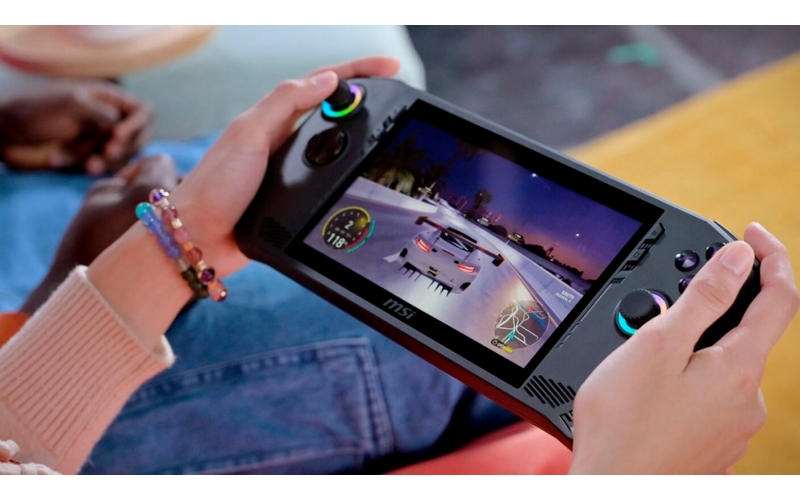
Game consoles are RAM-ageddon's most visible victim, because modern consoles need large amounts of fast memory. All three market leaders have raised prices and given an official justification:
- PlayStation 5 (from April 2, 2026): the disc edition costs €649 instead of €549, the Digital Edition €599, the Pro €899. This is already the second hike in less than a year
- Xbox Series S/X (from August 1, 2026): a price increase of 100–150 dollars. Microsoft itself stated that the prices of memory and storage have risen more than 2.5-fold, and expects a further doubling by autumn 2027
- Nintendo Switch 2 (US from September 1, 2026): $499 instead of $449, and in Europe from €469.99 to €499.99. The official explanation points directly to the memory shortage
The pricing pressure behind all three makers has the same root. Memory producers have prioritized their capacity for data centers, and consumer tech has to wait in line.
How long will this last?
The news isn't good: a long time. Samsung and SK Hynix have publicly stated that 2026 production capacity is essentially already sold. Gartner and Counterpoint estimate that a realistic price decline won't arrive before the end of 2027, and more likely only in 2028. Don't count on a short-term price crash. On the contrary, the trend stays upward until the wave of investment in AI infrastructure begins to cool.
What should you do as a buyer right now?
The market consensus (recommendations from Tom's Hardware, Notebookcheck, IDC and analysis houses) offers several practical pointers:
- Buy the tech you need now rather than later. Putting it off 12 months is very unlikely to bring a price drop — quite the opposite.
- DDR4 memory for an old system or a NAS is worth buying immediately. DDR4 is gradually being phased out of production, stocks are shrinking and prices are rising along with DDR5.
- Check your smartphone's exact memory configuration, not last year's spec sheets. Some makers have cut RAM within the very same model without changing its name.
- When choosing an SSD, weigh Gen4 NVMe against Gen5. In real-world tasks the performance gap is minimal but the price gap is large, so Gen4 is the more sensible choice right now.
- When buying a console, bear in mind that the PS5, Xbox and Switch 2 all recently raised prices. Further hikes are likely, so if you're planning to buy one, decide sooner.
Summary
RAM-ageddon 2026 is not media panic but a genuine structural problem in the market that will take years to resolve. AI infrastructure is competing with consumer tech for the same raw material, and memory makers have clearly decided whose orders matter more. For the buyer it means decisions should be made quickly, and no one is likely to gain from a long wait — whether the topic is laptops, smartphones or consoles.
Related products
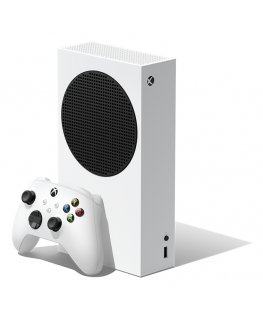
3450841529.00Monthly payment from 14.52 €MPN: EP2-10060Microsoft...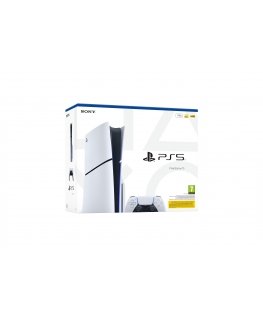
4047698769.00Monthly payment from 20.70 €MPN: 1000049734The PS5® console offers new, unexpected gaming opportunities. Amazing features include lightning-fast loading, an ultra-fast SSD, and immersive functions such as haptic feedback, adaptive triggers, 3D audio, and the brand new PlayStati...