


Handheld Consoles 2026: What Changed and Why Everything Became More Expensive
Just a year ago, everything was simple: if you wanted a handheld gaming PC, you picked something from AMD. In the summer of 2026, that no longer worked. Intel came in, SteamOS stepped beyond Steam Deck, and prices soared for reasons unrelated to gaming.
Intel Arc G3: Debut in the Segment
On May 28, Intel unveiled the Arc G3 and Arc G3 Extreme - the company's first chips designed specifically for portable consoles. Xe3 generation on the 18A process technology. The higher G3 Extreme boasts 12 graphics cores and outperforms last year's Lunar Lake by about 70% in tests.
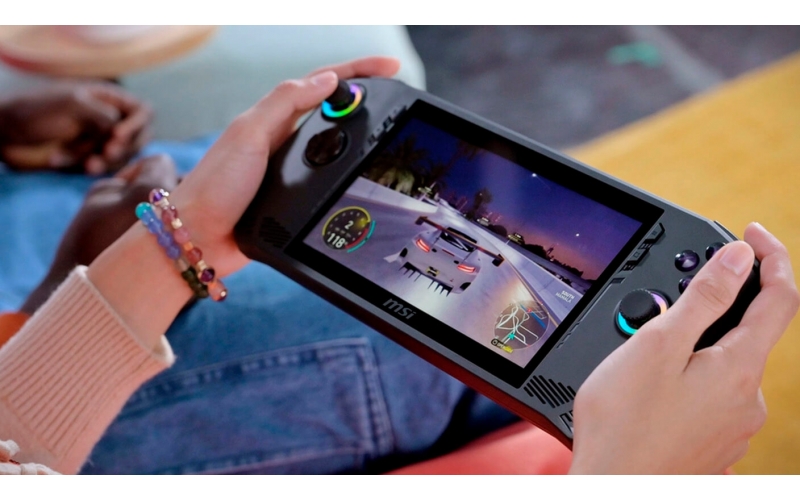
The first device is already on sale. MSI Claw 8 EX AI+ was released on June 23: 8", 1080p/120Hz, 32GB memory, 80 Wh battery, priced at $1799. Following that, Acer Predator Atlas 8 and a new OneXPlayer are in preparation.
ROG Ally X20: Finally OLED
At Computex, ASUS showcased the anniversary ROG Ally X20, dedicated to ROG's 20th anniversary. For the first time in three years, OLED made an appearance in the lineup: 7.4", 120Hz, up to 1400 nits. The internals are unchanged - AMD Ryzen AI Z2 Extreme, 24GB, 1TB.
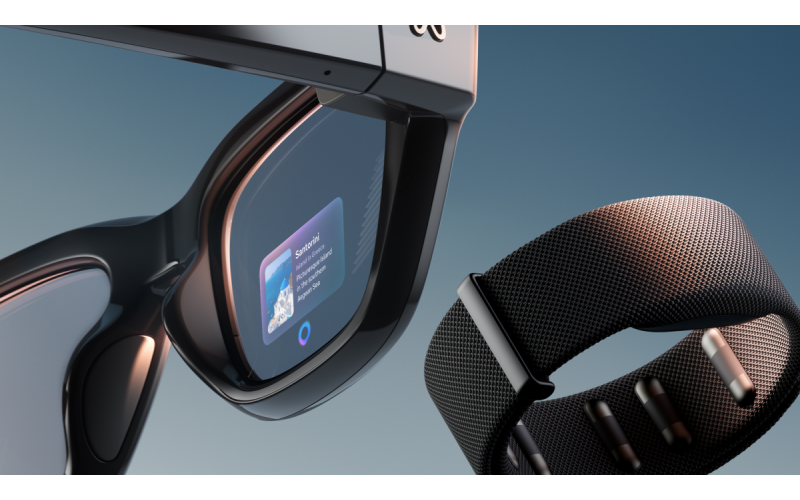
Included are AR glasses XREAL R1 with a virtual "171-inch" screen. ASUS has yet to disclose the price, but the press estimates the bundle to be over $2000.
Lenovo Legion Go 2: Big and with OS Choice
8.8" OLED 144Hz, detachable TrueStrike controllers, 74 Wh battery - one and a half times larger than the first generation. Up to Ryzen Z2 Extreme, up to 32GB.
Here there's a choice: Windows 11 starting from $1099 or SteamOS starting from $1199. This is the main shift of the year.
SteamOS Released to Other Manufacturers
Valve released SteamOS 3.8 with official support for third-party devices - no longer just AMD but also Intel. Reviews indicate that SteamOS consistently provides 20-40% more battery life than Windows 11 on the same hardware. Manufacturers have noticed this: Lenovo is already churning out SteamOS versions, and Valve is preparing a partner certification program.
Why Everything Is Expensive
It's not due to manufacturer greed. Almost the entire production volume of LPDDR5X is being bought up by data centers and AI, with memory prices rising by about 90% in a quarter. Valve raised the price of the Steam Deck OLED by $300, directly citing memory shortages as the reason.
If you're looking at handhelds, paying extra for a top configuration is particularly unwise right now. It seems it won't get cheaper by autumn.
In Conclusion
2026 has become a turning point: for the first time, both platforms (AMD vs. Intel) and operating systems (Windows vs. SteamOS) are competing. The choice has expanded, and this benefits the buyer.
Portable consoles, accessories, and memory cards for them are in our catalog.