





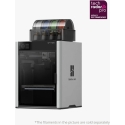
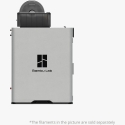
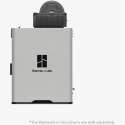
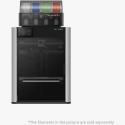
The product's shade and actual color may differ from what is shown in the picture, as the images are for illustrative purposes. The product description is general and may not include all the product's features.
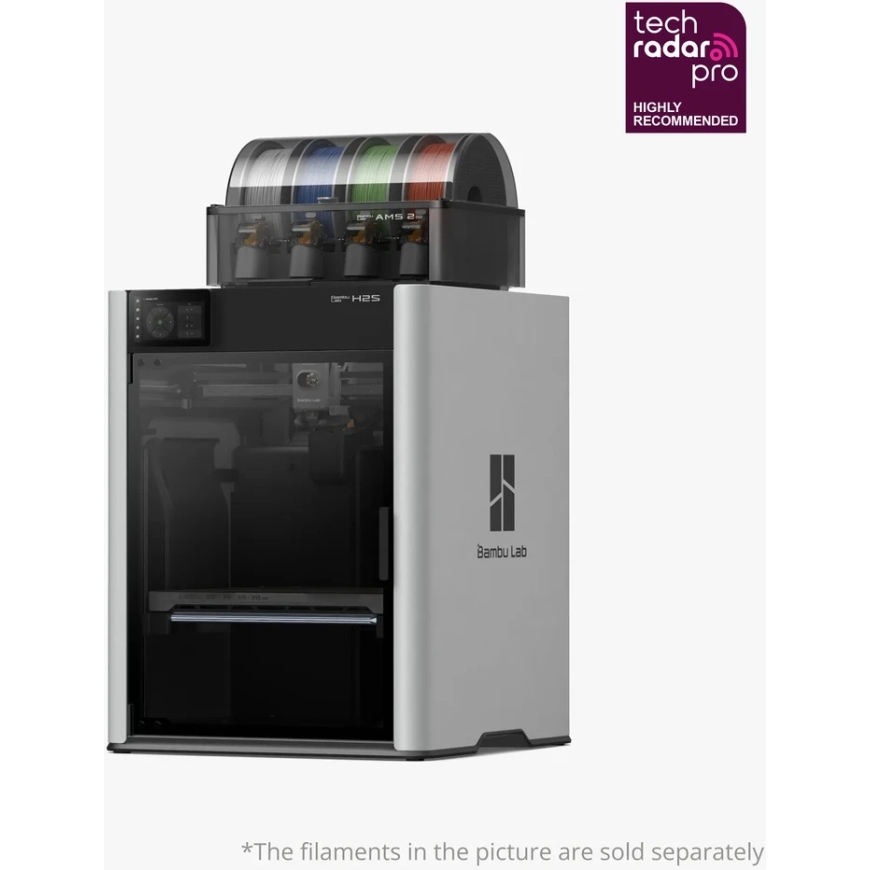
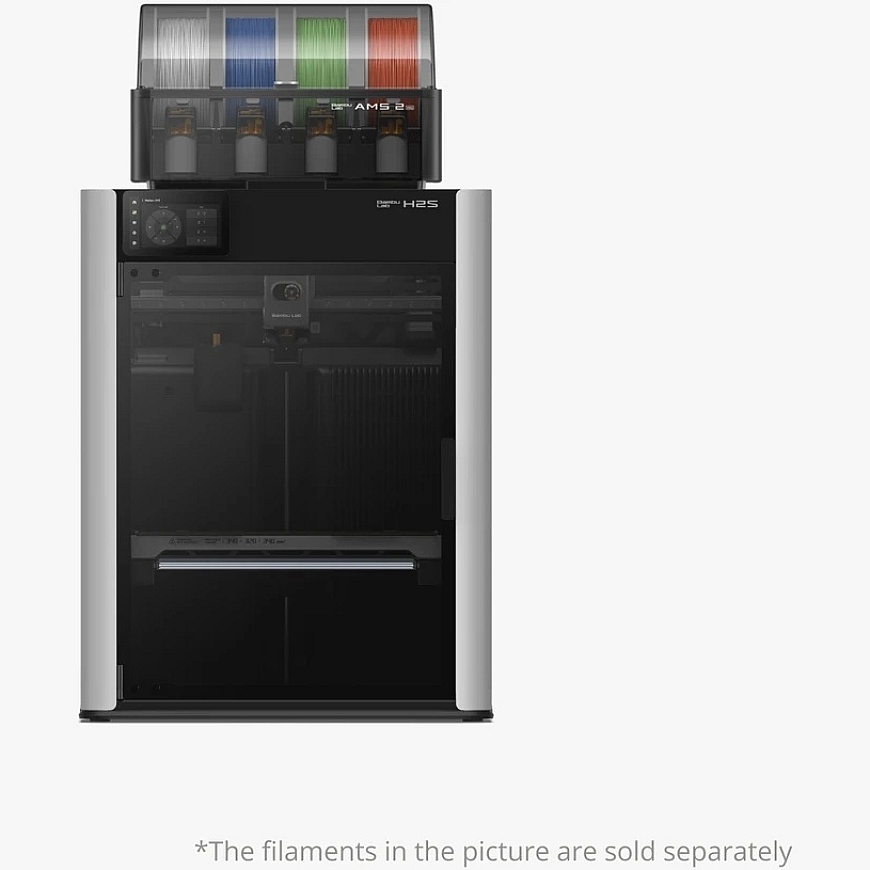
Bambu Lab H2S Combo 3D printer with AMS 2 Pro automatic material system
5086166 6937285512031
Shipping 5-9 b.d.
All about the product
Bambu Lab H2S – large format, fast and intelligent 3D printer
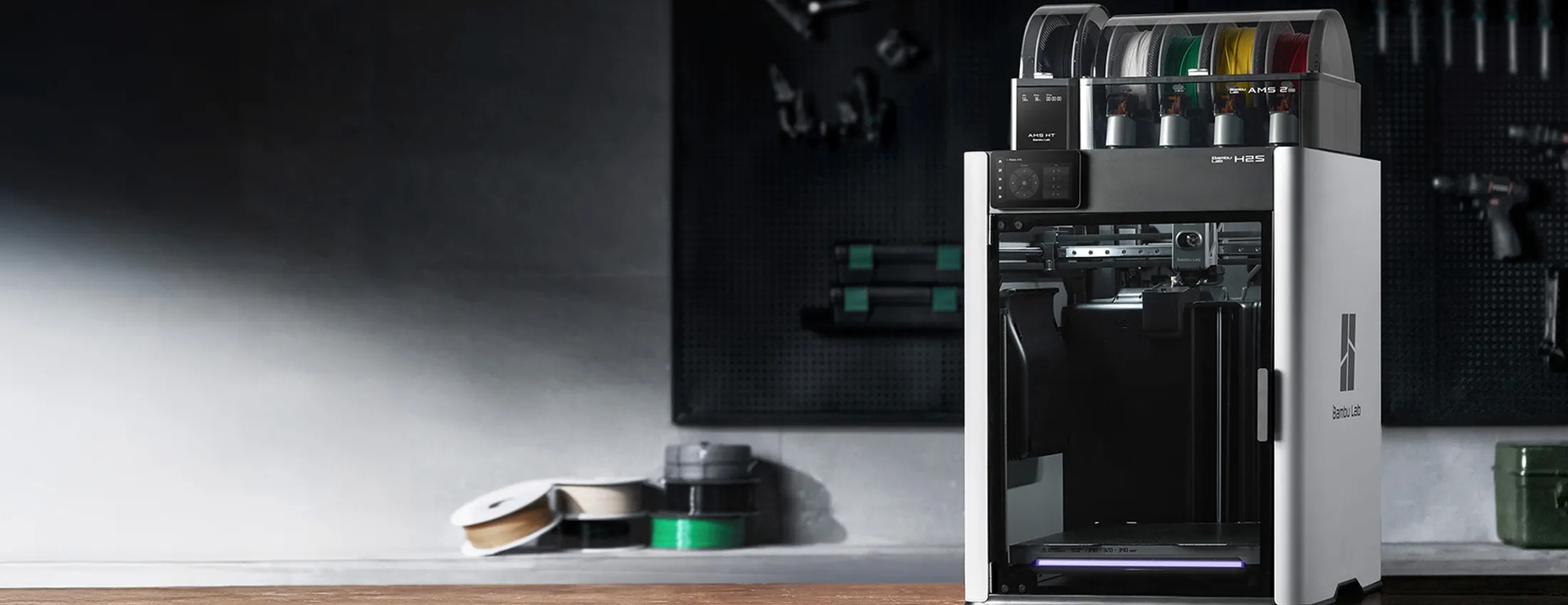
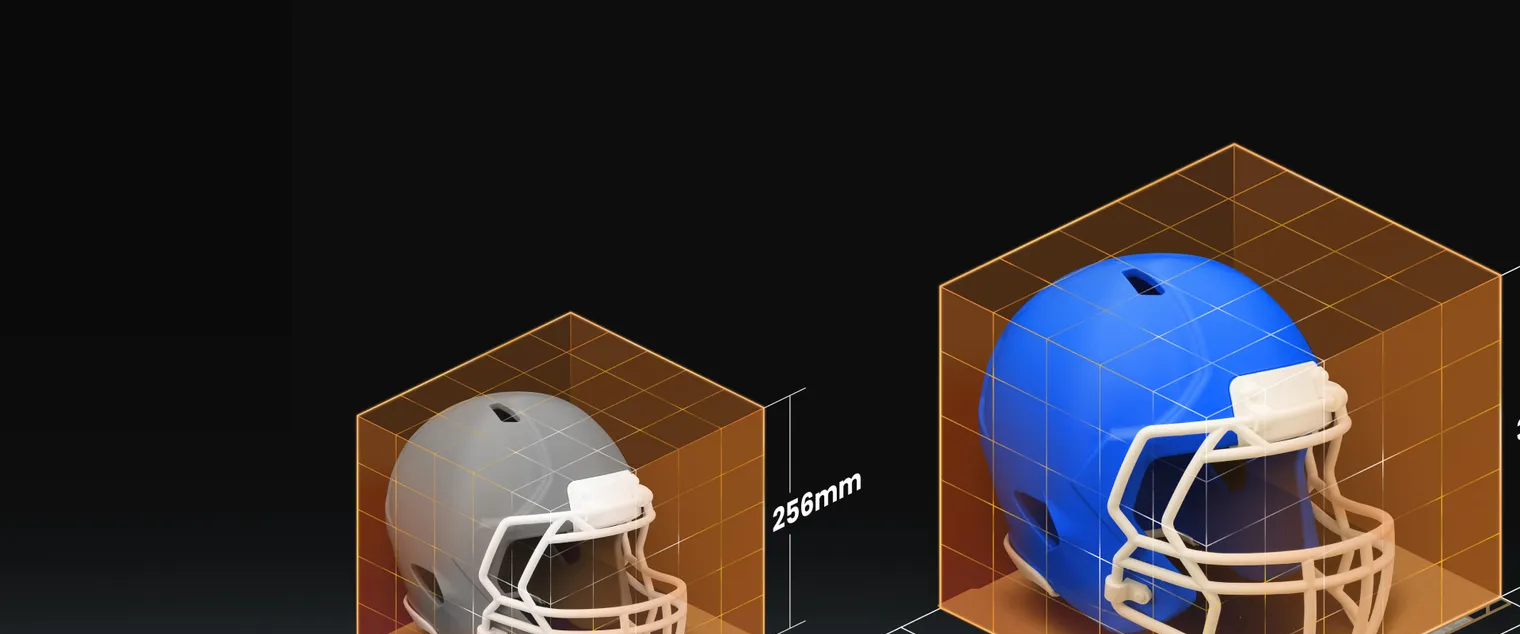
The Bambu Lab H2S is an advanced 3D printer designed for those who need more space, high performance, and precise results. The spacious 340 × 320 × 340 mm printing volume allows for the creation of large models, functional parts, or several smaller components at once, reducing the need to break projects into separate elements. Sturdy construction, high printing speed, and advanced motion control ensure stable operation even for complex projects.
Large workspace for bigger ideas
The H2S provides significantly more space for creative and technical projects. The large printing volume is especially beneficial for producing prototypes, enclosures, mechanical parts, decorations, or other objects that typically would need to be printed in parts. This not only saves time but also allows for achieving a more cohesive and stronger final construction.
High speed without losing precision
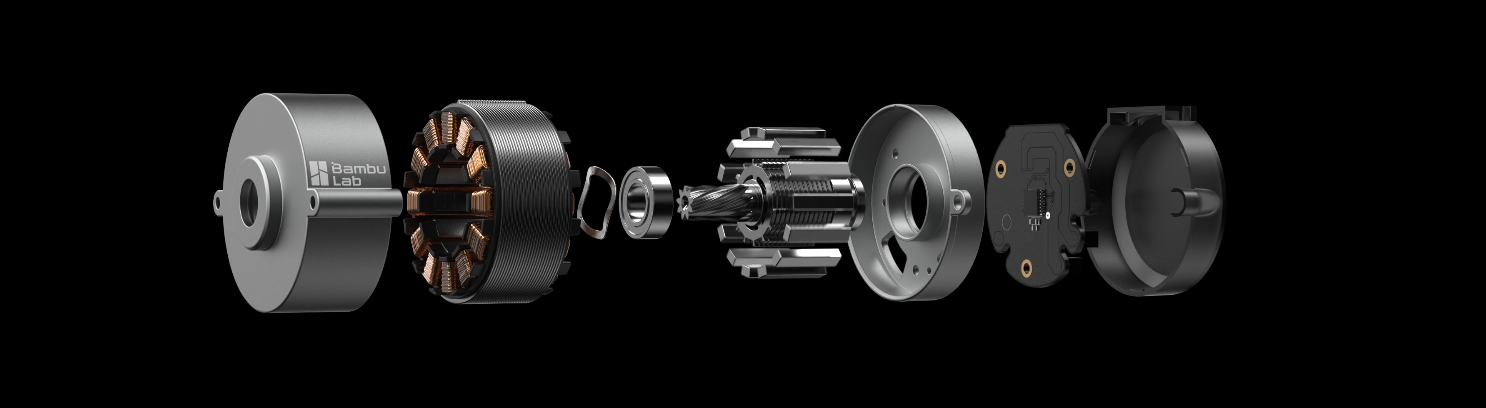
The advanced PMSM servo extruder system continuously monitors the extrusion process and allows for more precise control over material feeding. The system analyzes resistance and position up to 20,000 times per second, enabling real-time adjustments to the extruder operation and detecting potential clogs or filament slipping.
The print head can move at speeds of up to 1000 mm/s, with a maximum acceleration of 20,000 mm/s². According to the manufacturer, under optimal conditions, the H2S can reduce printing time by up to 30% while maintaining high surface and contour quality.
Accurate material feeding and smooth surfaces
The H2S uses servo motor and high-resolution vortex flow sensor data to precisely control extrusion and automatically calibrate material feeding parameters. This helps achieve smoother surfaces, sharper edges, and more stable layer geometry.
Active real-time vibration compensation reduces resonance and micro-vibrations that can occur during high-speed printing. This allows for achieving high print quality even when prioritizing performance.
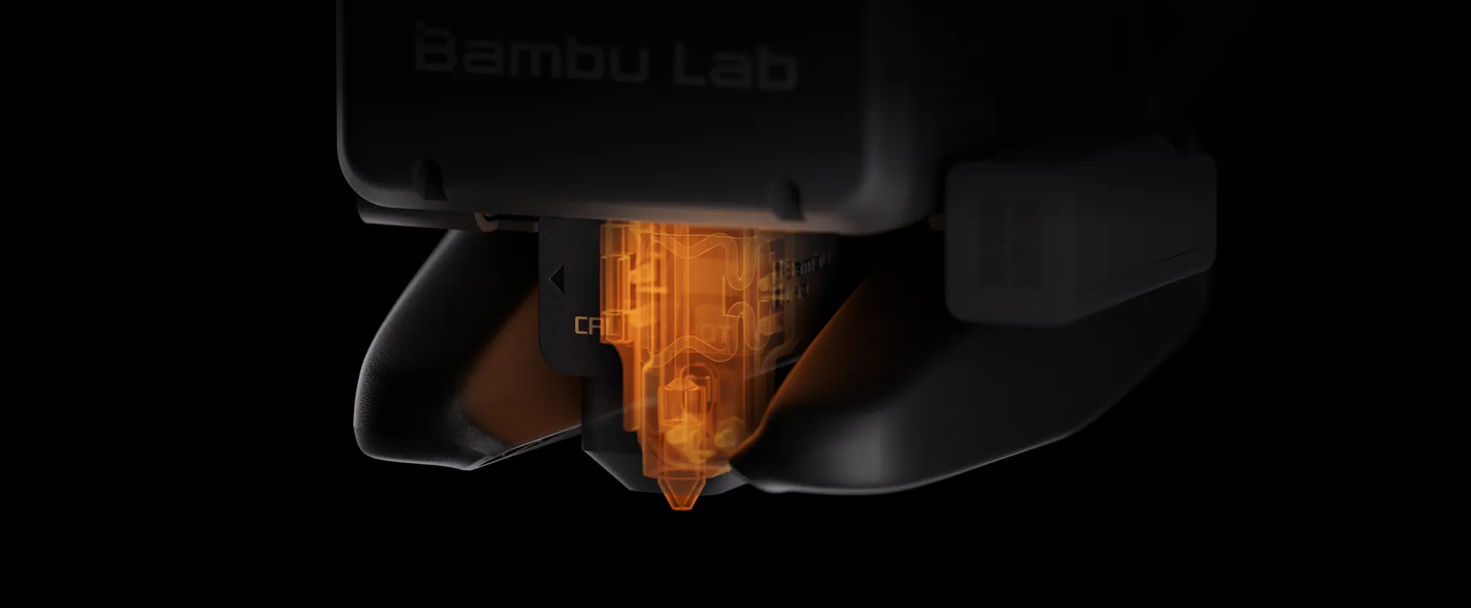
Nozzle heating up to 350 °C and actively heated chamber
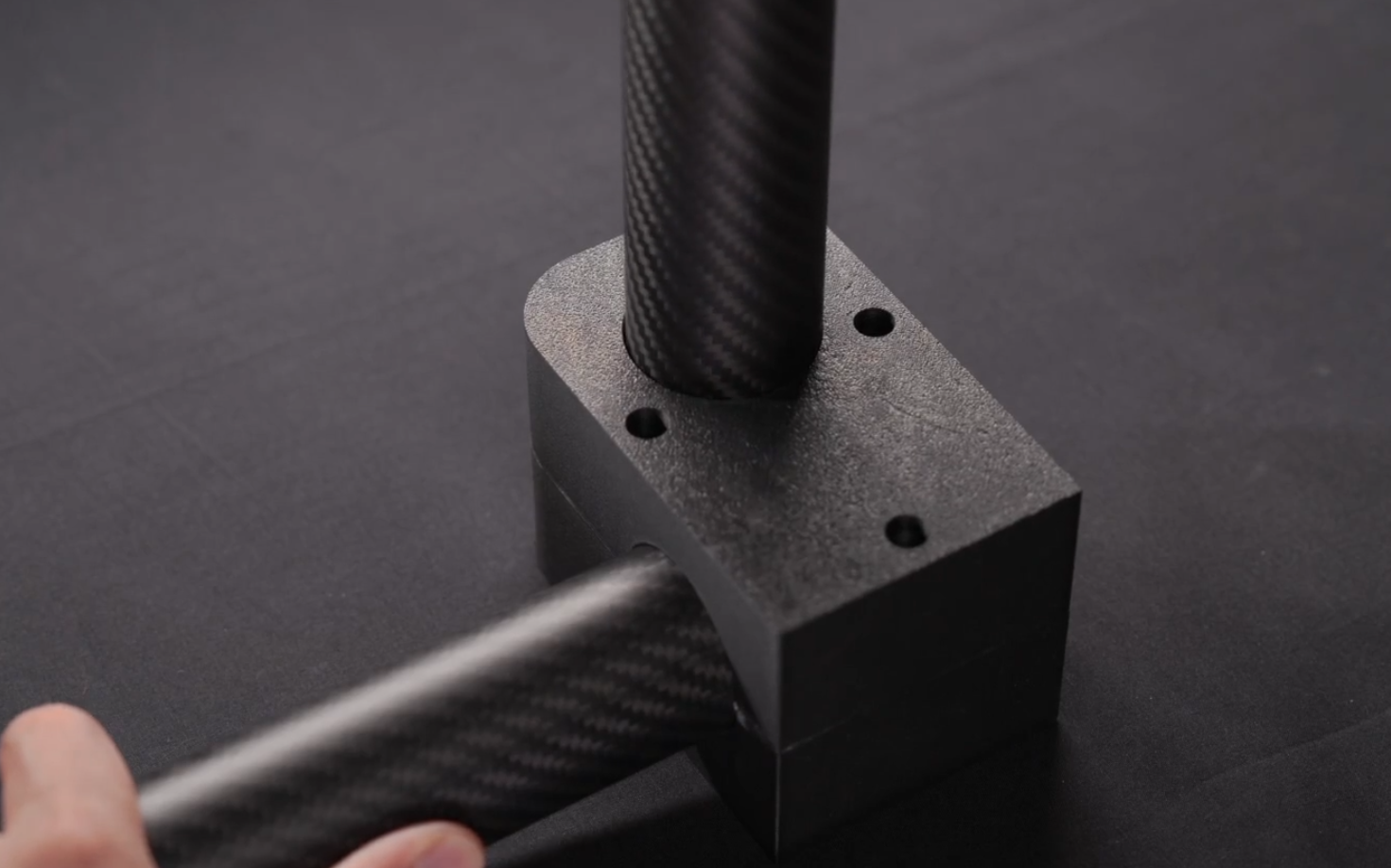
The fully metal heating unit with a hardened steel 0.4 mm nozzle can reach temperatures of up to 350 °C, while the print bed can reach up to 120 °C. The active closed chamber can be heated up to 65 °C.
Precisely controlled temperature helps reduce warping of large parts, improves layer adhesion, and provides more options for working with technical and high-temperature materials. The H2S supports PLA, PETG, TPU, ABS, ASA, PC, PA, PET, PPS, and various carbon or glass fiber reinforced filaments.
Intelligent print process control
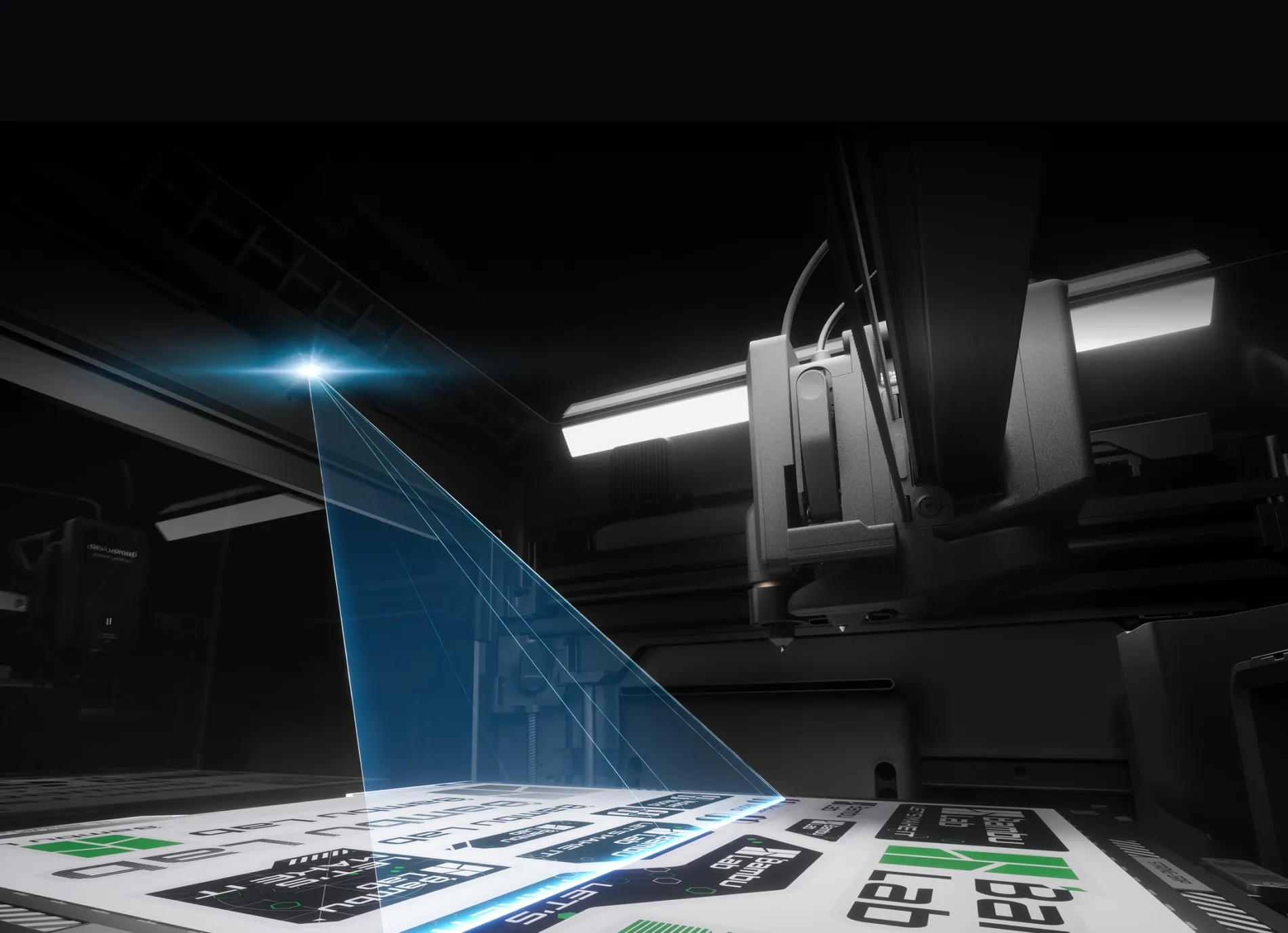
The H2S is designed not only to perform tasks but also to monitor the printing process. It incorporates various sensors and cameras that help detect issues along the entire filament path and control essential printing parameters.
The integrated 1920 × 1080 resolution monitoring camera allows for tracking the printing process, while additional sensors monitor filament remaining, possible tangling, door status, and other system parameters. In case of a power outage, the printer supports job recovery functionality.
Effective closed chamber temperature control
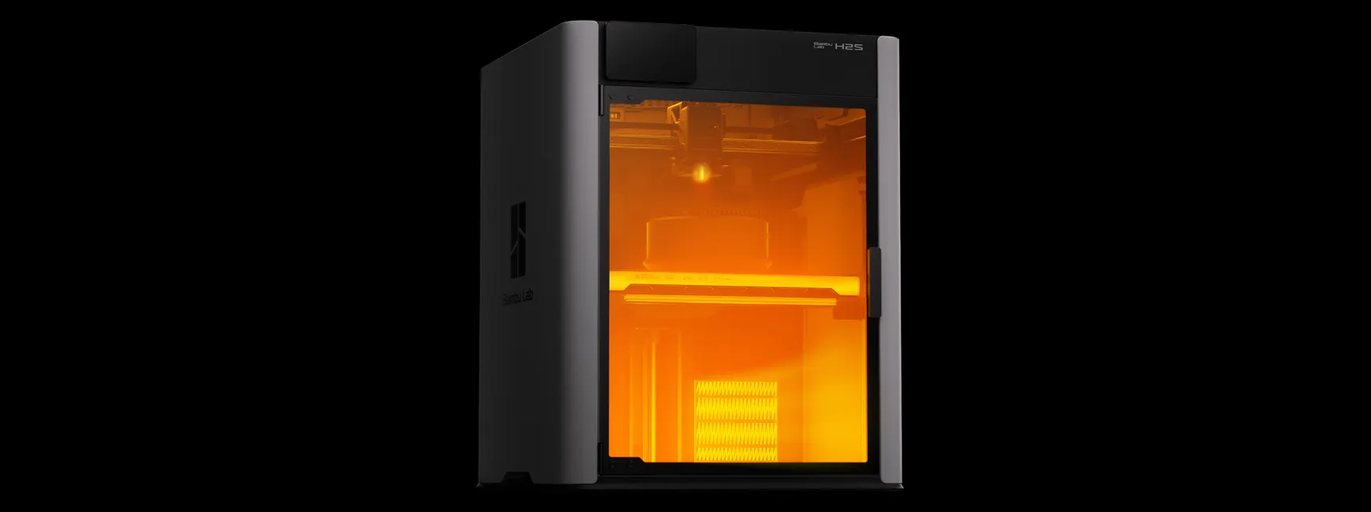
Printing with different materials requires different conditions, so the H2S can actively manage air flow in the chamber. When printing with PLA or PETG, the upper ventilation hatch can allow cooler air in without needing to keep the doors open. Meanwhile, filtered exhaust air helps maintain a tidier working environment.
The air cleaning system consists of a G3 pre-filter, H12 HEPA filter, and activated carbon filter to reduce particulates and volatile organic compounds.
Quickly replaceable nozzle
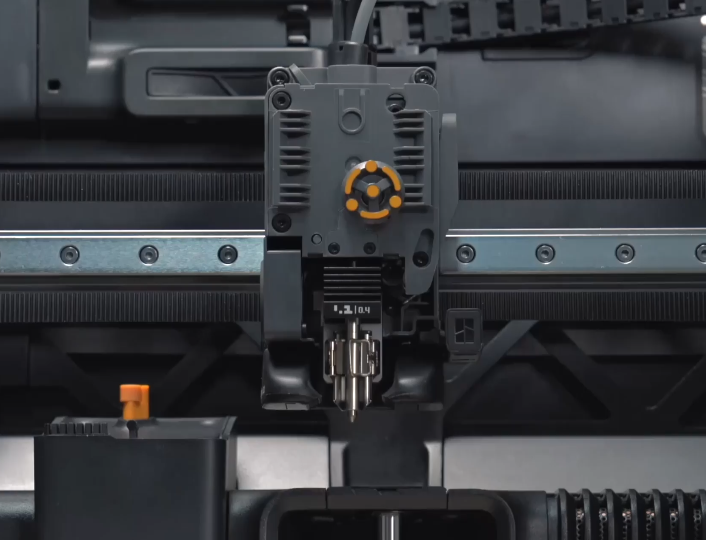
The updated heating element design allows for quick and easy nozzle replacement without complex tools. This is convenient for using nozzles of different diameters or adapting the printer for specific tasks. The H2S supports 0.2, 0.4, 0.6, and 0.8 mm diameter nozzles.
Sturdy construction and reduced noise
The integrated die-cast aluminum alloy housing provides rigidity and stability to the construction. This is particularly important when printing large models and working at high speeds, as it reduces the impact of unwanted construction deformations and vibrations on precision.
An active motor noise suppression system and specially designed air channels also help reduce operating noise. According to the manufacturer, under normal operating conditions, the H2S can operate at a noise level lower than 50 dB, making it more comfortable to use at home, in workshops, or shared workspaces.
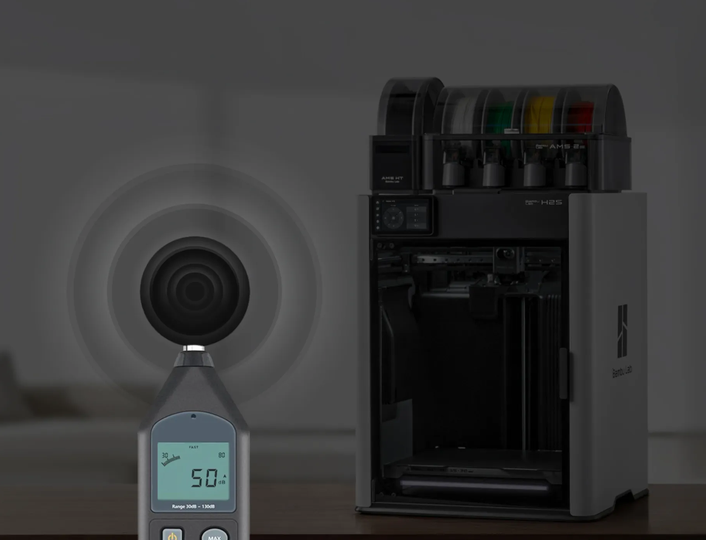
Multicolor printing and Bambu Lab ecosystem
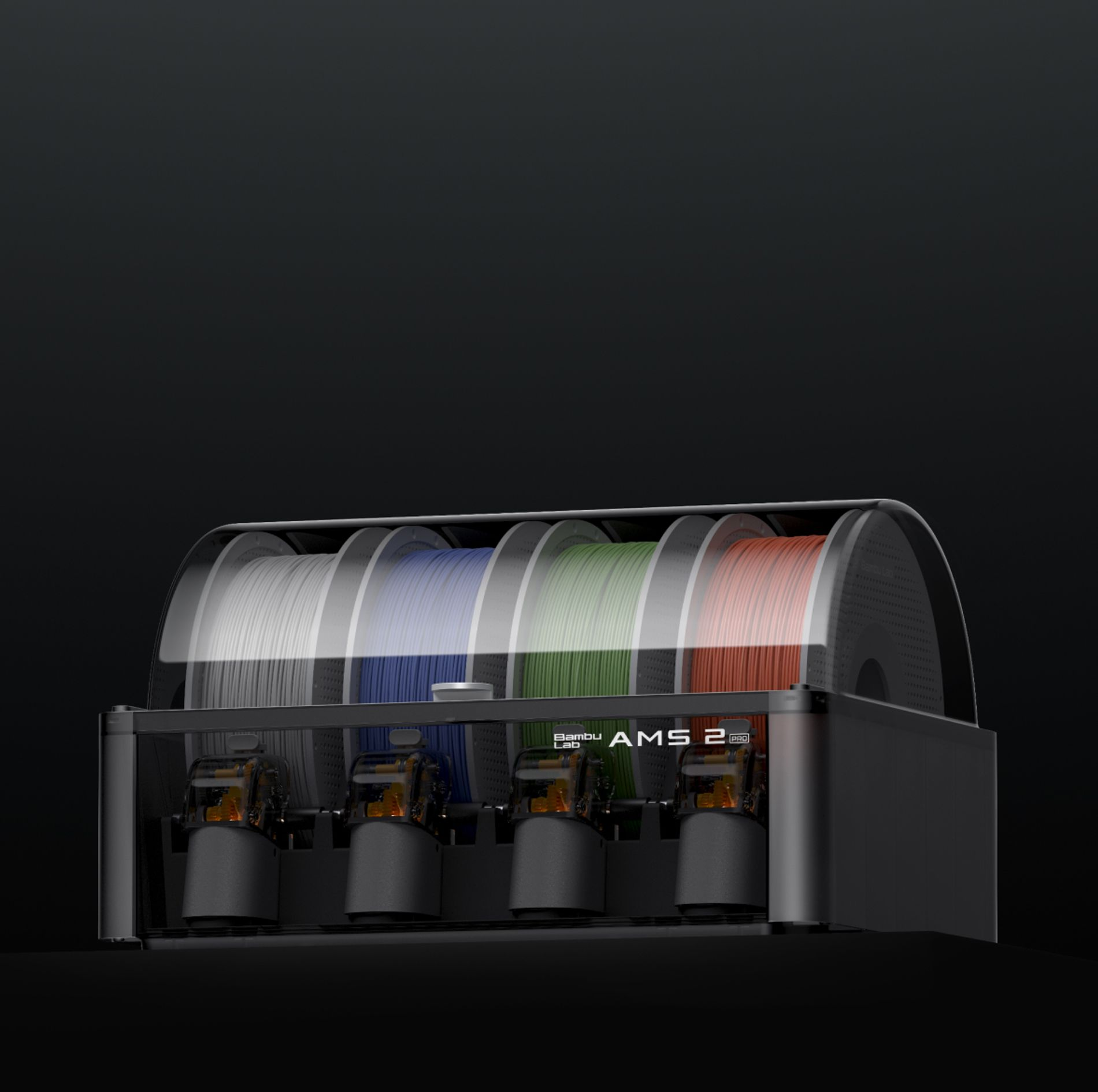
The H2S can be used with AMS 2 Pro and other compatible Bambu Lab filament management solutions, allowing the creation of multicolor models and models made from multiple materials. The AMS 2 Pro can also dry filament, automatically spool the reel, and when using official Bambu Lab filaments, automatically select appropriate drying settings based on RFID data.
The printer integrates into the Bambu Lab software ecosystem and can be controlled via a 5-inch touchscreen, a computer program, or a mobile app. To prepare models, Bambu Studio is used, and third-party programs that export standard G-code are also supported.
The Bambu Lab H2S combines a large printing space, high speed, precise servo-controlled extrusion, actively heated chamber, and advanced automatic control features. It is a versatile solution for both ambitious creative projects and the production of prototypes and functional parts, where speed and consistently high quality of results are essential.
Specifications:
| General Specifications | |
|---|---|
| Printing Technology | FDM (Fused Deposition Modeling) |
| Printing Volume (L × W × H) | 340 × 320 × 340 mm |
| Housing Materials | Aluminum, steel, plastic, and glass |
| Laser Safety Windows | Included in the Laser Edition version; standard H2S can be upgraded with the Laser Upgrade Kit |
| Air Assist Pump | Included in the Laser Edition version; standard H2S can be upgraded with the Laser Upgrade Kit |
| Dimensions (L × W × H) | 492 × 514 × 626 mm; package dimensions: 620 × 620 × 755 mm; recommended space for the printer: 700 × 700 × 1100 mm |
| Net Weight | H2S: 30 kg; H2S Laser Edition: 30.5 kg |
| Gross Weight | H2S: 37.5 kg; H2S AMS Combo: 40.7 kg; H2S Laser Full Combo: 45.8 kg |
| Package Contents | |
| Package Contents |
|
| Print head | |
| Hotend | Fully metal |
| Extruder gear material | Hardened steel |
| Nozzle material | Hardened steel |
| Maximum nozzle temperature | 350 °C |
| Diameter of included nozzle | 0.4 mm |
| Supported nozzle diameters | 0.2 mm, 0.4 mm, 0.6 mm, 0.8 mm |
| Filament cutter | Integrated |
| Filament diameter | 1.75 mm |
| Extruder motor | "Bambu Lab" high-precision permanent magnet stepper motor |
| Print platform | |
| Supported print plate types | Textured PEI plate, smooth PEI plate |
| Maximum platform temperature | 120 °C |
| Performance | |
| Maximum print head speed | 1000 mm/s |
| Maximum print head acceleration | 20,000 mm/s² |
| Maximum standard hotend flow rate | 40 mm³/s (test parameters: 250 mm round model with one outer wall; "Bambu Lab" ABS; 280 °C printing temperature) |
| Maximum optional high flow hotend flow rate | 65 mm³/s (test parameters: 250 mm round model with one outer wall; "Bambu Lab" ABS; 280 °C printing temperature) |
| Chamber temperature control | |
| Active chamber heating | Supported |
| Maximum chamber temperature | 65 °C |
| Air purification | |
| Prefilter class | G3 |
| HEPA filter class | H12 |
| Activated carbon filter type | Granulated coconut shell activated carbon |
| VOC filtration | High efficiency |
| Particulate filtration | Supported |
| Cooling | |
| Part cooling fan | Closed-loop control |
| Hotend cooling fan | Closed-loop control |
| Main control board fan | Closed-loop control |
| Chamber exhaust fan | Closed-loop control |
| Chamber heat circulation fan | Closed-loop control |
| Auxiliary part cooling fan | Closed-loop control |
| Supported materials | |
| Supported filament types | PLA, PETG, TPU, PVA, BVOH, ABS, ASA, PC, PA, PET, PPS; carbon or glass fiber reinforced PLA, PETG, PA, PET, PC, ABS, ASA, PPA and PPS |
| Sensors and cameras | |
| Direct-view camera | Integrated, 1920 × 1080 |
| Print head camera | Integrated, 1600 × 1200 |
| BirdsEye camera | Integrated, 3264 × 2448; included in the Laser Edition version |
| Door sensor | Supported |
| Filament end sensor | Supported |
| Filament tangle sensor | Supported |
| Filament odometry | Supported using AMS |
| Print recovery after power loss | Supported |
| Electrical parameters | |
| Voltage | 200–240 V AC, 50/60 Hz |
| Maximum power | 2050 W at 220 V |
| Power Version | You need to select the version that matches the voltage of the electrical network in your region. Using the printer in another region may require a transformer. |
| Operating Temperature | 10–30 °C |
| Electronics and Control | |
| Touch Screen | 5 inches, 720 × 1280 |
| Memory | Integrated 8 GB eMMC memory and USB connection |
| Control Interface | Touch screen, mobile app, computer program |
| Neural Processing Unit | 2 TOPS |
| Software | |
| Slicing Software | "Bambu Studio". Third-party slicing software that exports standard G-code, such as "SuperSlicer", "PrusaSlicer", and "Cura", is also supported, but some advanced features may not be supported. |
| Supported Operating Systems | macOS, Windows, Linux |
| Wi-Fi | |
| Operating Frequencies | 2412–2472 MHz (CE/FCC), 2400–2483.5 MHz (SRRC), 5150–5850 MHz |
| Transmitter Power (EIRP) | 2.4 GHz: <23 dBm (FCC), <20 dBm (CE/SRRC/MIC); 5 GHz 1/2 band: <23 dBm (FCC/CE/SRRC/MIC); 5 GHz 3 band: <30 dBm (CE), <24 dBm (FCC); 5 GHz 4 band: <23 dBm (FCC/SRRC), <14 dBm (CE) |
| Wi-Fi Protocol | IEEE 802.11 a/b/g/n |
| 10 W Laser Module | |
| Laser Type | Semiconducting laser |
| Laser Wavelength | Engraving laser: 455 ± 5 nm, blue light; height measurement laser: 850 ± 5 nm, infrared light |
| Laser Power | 10 ± 1 W |
| Laser Dot Size | 0.03 × 0.14 mm |
| Operating Temperature | 0–35 °C |
| Maximum Engraving Speed | 400 mm/s |
| Maximum Cutting Thickness | 5 mm (birch plywood) |
| Laser Module Safety Class | Class 4 |
| Overall Laser Safety Class | Class 1 |
| Engraving Area | H2D: 310 × 270 mm; H2S: 310 × 260 mm |
| XY Positioning Method | Visual positioning |
| XY Positioning Accuracy | <0.3 mm |
| Z Height Measurement Method | Micro LiDAR |
| Z Height Measurement Accuracy | ±0.1 mm |
| Flame Detection | Supported |
| Temperature Detection | Supported |
| Door Sensor | Supported |
| Laser Module Installation Detection | Supported |
| Safety Key | Included |
| Air Pump | Integrated, 30 kPa, 30 l/min |
| Ventilation Pipe Adapter Outer Diameter | 100 mm |
| Supported Laser Processing Materials | Wood, rubber, metal sheets, leather, dark acrylic, stone, etc. |
| Cutting Module | |
| Cutting Area | H2D: 300 × 285 mm; H2S: 297.5 × 300 mm |
| Drawing Area | 300 × 255 mm |
| Supported Pen Diameter | 10.5–12.5 mm |
| Cutting Mat Types | "LightGrip" and "StrongGrip" cutting mats |
| Blade Type | 45°, 0.35 mm |
| Blade Pressure Range | 50–600 gf |
| Maximum Cutting Thickness | 0.5 mm |
| Blade and Pen Recognition | Supported |
| Cutting Mat Type Detection | Supported |
| Supported Image Types | Raster and vector images |
| Supported Cutting Materials | Paper, PVC, vinyl, leather, etc. |