

The product's shade and actual color may differ from what is shown in the picture, as the images are for illustrative purposes. The product description is general and may not include all the product's features.
K's Kids Educational Mat with Toys - Jungle
3822332 4892493107894
Shipping 13-17 b.d.
All about the product
Choose the right developmental toys for your child.
Lots of fun and learning in one.
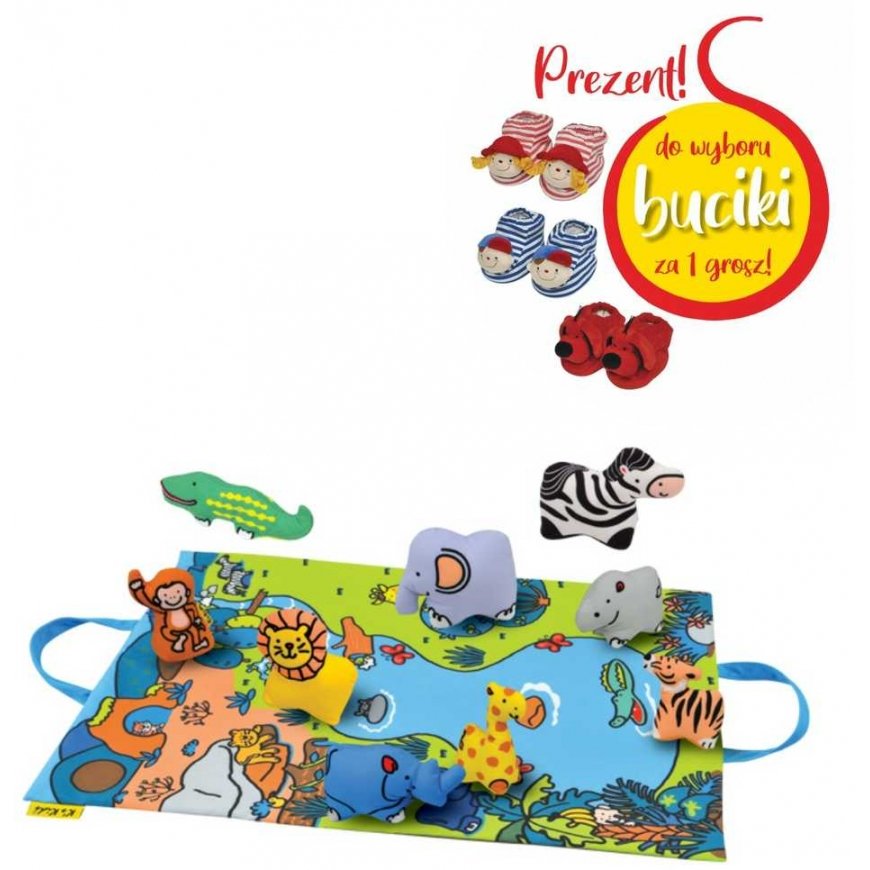
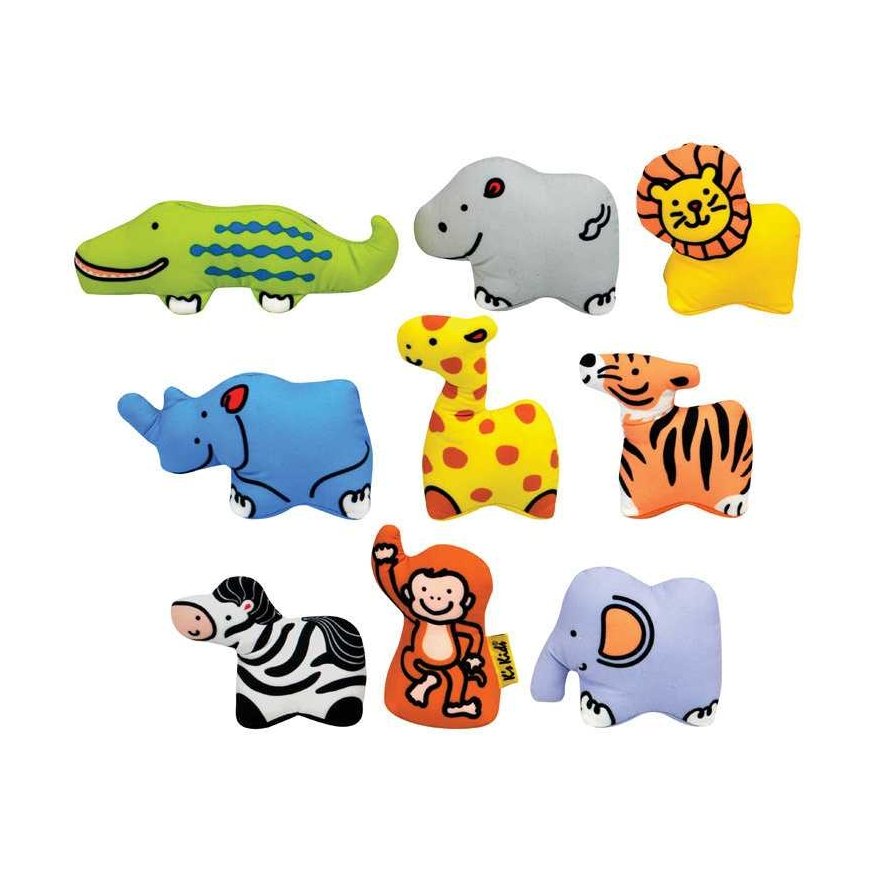
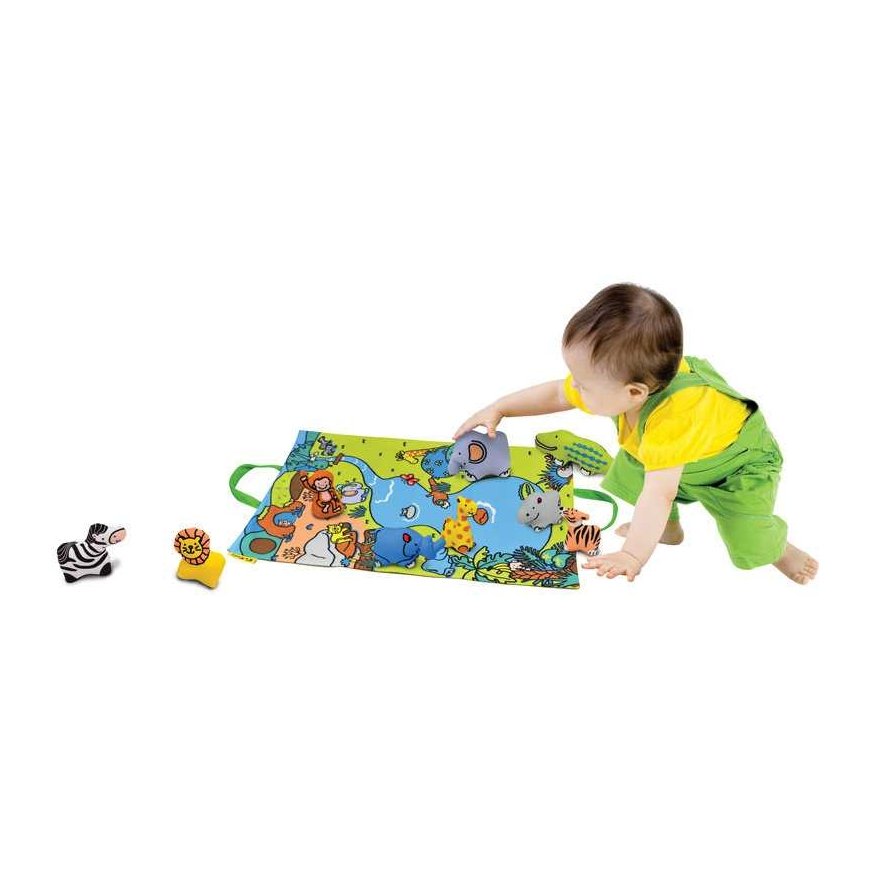
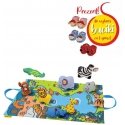
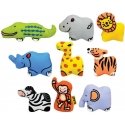
What do animals living in the jungle look like and what are their names? The Jungle portable mat with animal figures consists of a portable, colorful mat with many pictures depicting the jungle and 9 of the most well-known wild animals. This toy will provide the child not only with a lot of fun but also with learning. The child will learn to distinguish animals and match each animal to the place where it lives in the jungle.
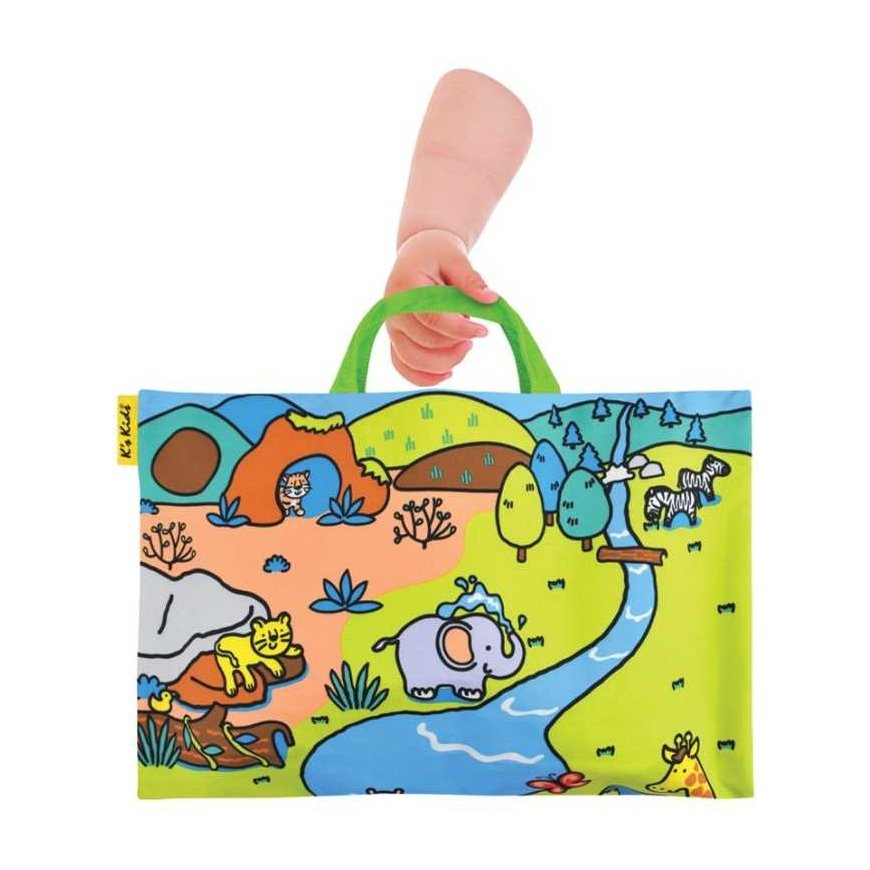
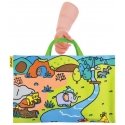
An additional advantage of the toy is that it can be taken anywhere - the mat is portable and has handles.
The mat and figures can be washed at 30°C.
Advantages:
-rich colors that encourage the child to play
-the ability to take the toy anywhere with you, thanks to the handles
-development of many skills
-variety of materials that stimulate the senses
-the possibility of playing with a parent, which deepens contact
-crinkly elements that attract the child's attention
-made from high-quality materials
Each element of K's Kids toys is designed to support the proper development of children. To make it easier for parents to understand the benefits of playing with K's Kids products, the Skills Triangle was created, which shows what the child needs for proper physical, cognitive, and social development.
The Skills Triangle is a simple guide for parents, showing what skills the child acquires or develops while playing with a particular toy and is found on every product package. Some toys are designed to develop several areas, while others aim to shape a greater number - depending on the needs and abilities of children at different stages of development.
What skills can your child develop while playing with the Jungle mat?
Physical development
senses - stimulate the child's curiosity and encourage them to explore the things around them. Sensory-stimulating toys are extremely important in the early stages of a child's development
fine motor skills - develop precise and controlled movements, along with facial expressions, visual-motor coordination, and proper articulation of words
gross motor skills - involve the larger muscles responsible for the movement of arms, legs, feet, or the whole body. Toys encourage the child to kick, crawl, run, or jump
Cognitive development
logical skills - enable children to connect pieces of information. Toys such as puzzles or blocks can enhance children's intelligence, sequencing, concentration, argumentation, and problem-solving skills
creativity - developing a small child's imagination is essential in the process of shaping abstract thinking and creativity. This trait influences the ability to improvise, take initiative, and solve problems
language skills - linguistic intelligence is the ability to produce sounds and use language, express oneself, and understand other people. Toys that enhance the ability to understand words, distinguish sounds, rhythms, and inflectional forms contribute to the development of this function in the developmental process
Social development
emotions - a healthy child should be able to express and control their emotions. The awareness of being loved and protected develops their sense of security. Toys that can become a child's friend and help them express feelings play a very important role in the process of learning how to effectively communicate with others, with mutual trust
communication - communication skills help the child perform tasks that require cooperation and facilitate working in a group
self-esteem - is a complex of achievements that the child receives from important people in their life, especially from parents and peers. When a child can complete a task set by the toy, they feel satisfied with themselves. This helps them build a stronger sense of self-esteem and better self-assessment
Below we present the individual stages developing the child's skills, depending on age:
1. Activity develops: senses, gross motor skills, logical skills, self-esteem
Goal: Listening and attention - observing the child's reactions to sounds
Method: Squeak or crinkle the toy from different sides of the child - notice if the child's gaze follows the sound
___________________________________________________________
2. Activity develops: fine motor skills
Goal: Fine motor exercises - grasping
Method: Encourage the child to grasp the animals once with the right hand, once with the left hand
1. Activity develops: gross motor skills, logical skills
Goal: Cognitive exercises - showing
Method: Name the animals and encourage the child to show them
1. Activity develops: gross motor skills, logical skills
Goal: Cognitive exercises - matching
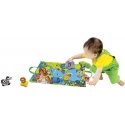
Method: Encourage the child to match the animals to the pictures on the mat. For example, the alligator should be placed by the river, and the monkey on the tree
___________________________________________________________
2. Activity develops: artistic skills, self-esteem
Goal: Imagination exercise - creating stories
Method: Allow the child to create stories involving animals in the jungle.
___________________________________________________________
3. Activity develops: gross motor skills, self-esteem
Goal: Learning to clean up after oneself
Method: The mat can be folded into the shape of a bag. Encourage the child to place the animals in the bag after playing.