





-3%
The product's shade and actual color may differ from what is shown in the picture, as the images are for illustrative purposes. The product description is general and may not include all the product's features.
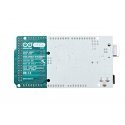
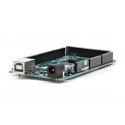
Arduino Leiterplatten & Entwicklungskits development board 16 MHz ATmega2560
88,93 €
85.93 €
Monthly payment from 3,11 €
2859810 A000067
8058333490083, 3700386600678, 5055421021177, 7630049200067, 7640152110016, 7640152110085
Shipping 6-11 b.d.
You are interested in this product?
All about the product
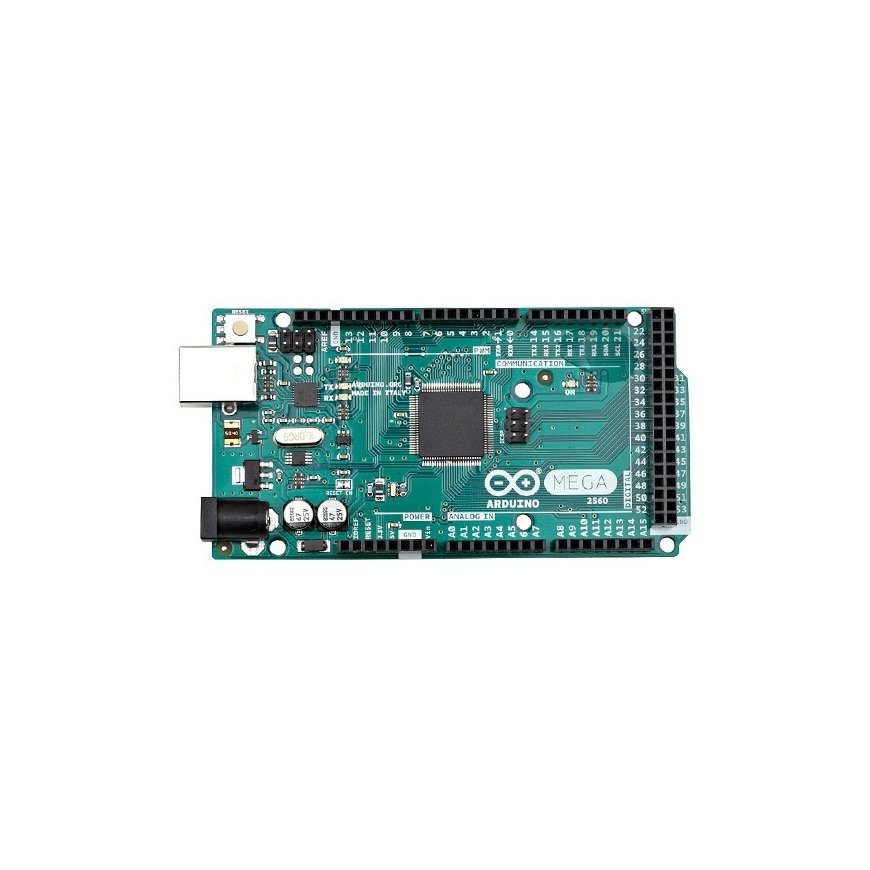
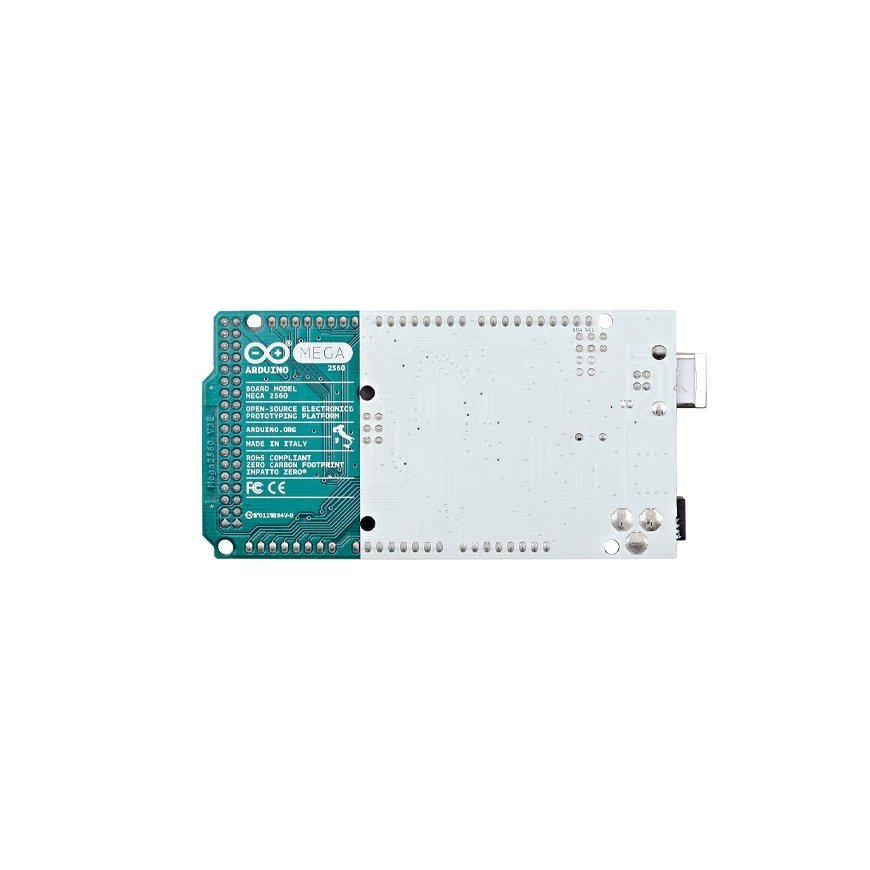
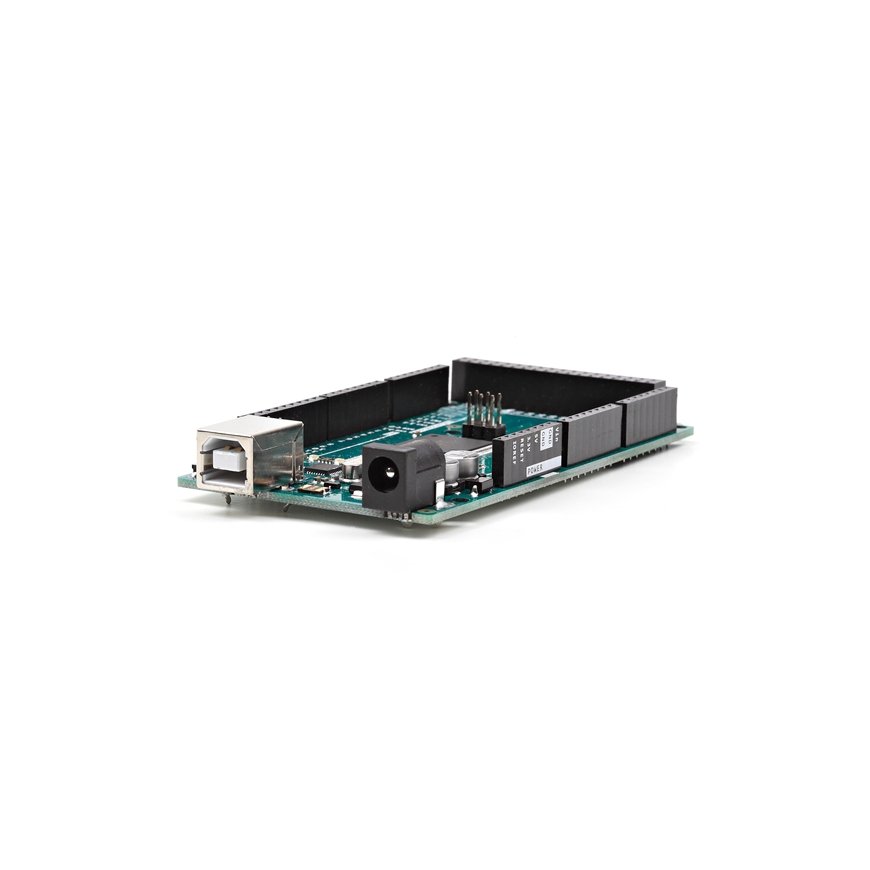
The Arduino Mega 2560 is a microcontroller board based on the ATmega2560 (datasheet). It has 54 digital input/output pins (of which 15 can be used as PWM outputs), 16 analog inputs, 4 UARTs (hardware serial ports), a 16 MHz crystal oscillator, a USB connection, a power jack, an ICSP header, and a reset button. It contains everything needed to support the microcontroller; simply connect it to a computer with a USB cable or power it with a AC-to-DC adapter or battery to get started. The Mega is compatible with most shields designed for the Arduino Duemilanove or Diecimila.The Mega 2560 is an update to the Arduino Mega, which it replaces.
The Mega2560 differs from all preceding boards in that it does not use the FTDI USB-to-serial driver chip. Instead, it features the ATmega16U2 (ATmega8U2 in the revision 1 and revision 2 boards) programmed as a USB-to-serial converter.
Revision 2 of the Mega2560 board has a resistor pulling the 8U2 HWB line to ground, making it easier to put into DFU mode.
Revision 3 of the board has the following new features:
- 1.0 pinout: added SDA and SCL pins that are near to the AREF pin and two other new pins placed near to the RESET pin, the IOREF that allow the shields to adapt to the voltage provided from the board. In future, shields will be compatible both with the board that use the AVR, which operate with 5V and with the Arduino Due that operate with 3.3V. The second one is a not connected pin, that is reserved for future purposes.
- Stronger RESET circuit.
- Atmega 16U2 replace the 8U2.
Features
| Wi-Fi | No |
| Processor model | ATmega2560 |
| Weight | 36 g |
| Width | 53.3 mm |
| Depth | 101.5 mm |
| Ethernet LAN | No |
| USB ports quantity | 1 |
| Processor frequency | 16 MHz |
| Number of analog I/O pins | 16 |
| Input voltage (max) | 5 - 12 V |