

Оттенок товара и его реальный цвет могут отличаться от того, что показано на фотографии, так как изображения носят иллюстративный характер. Описание товара является общим и может не включать все его характеристики.
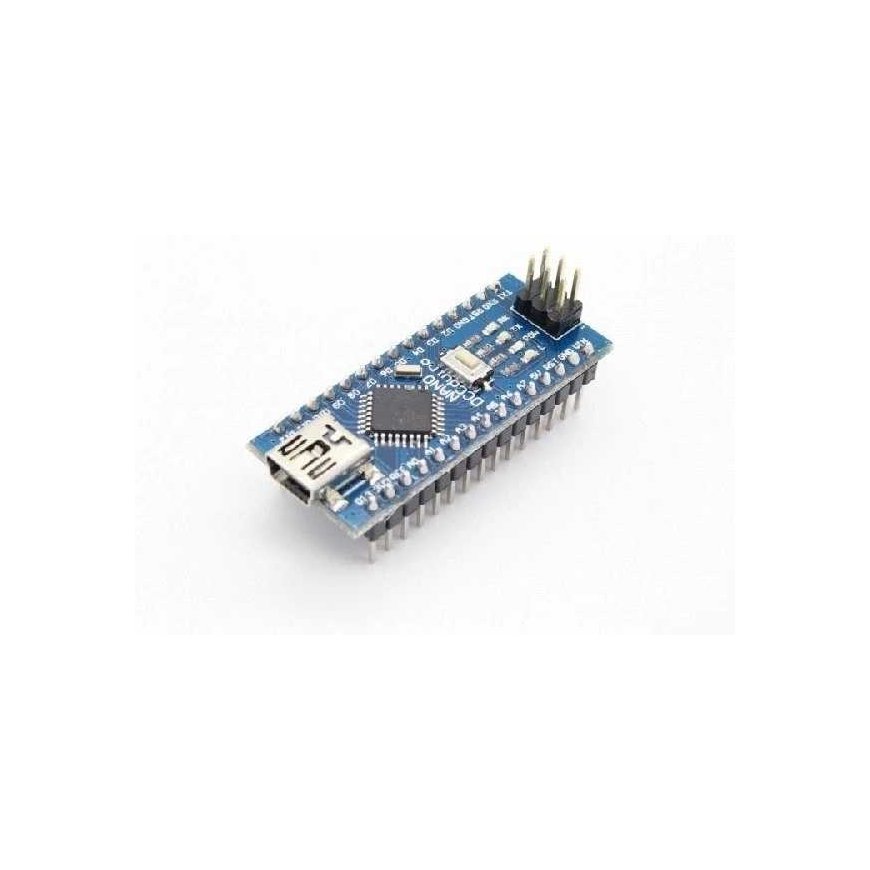
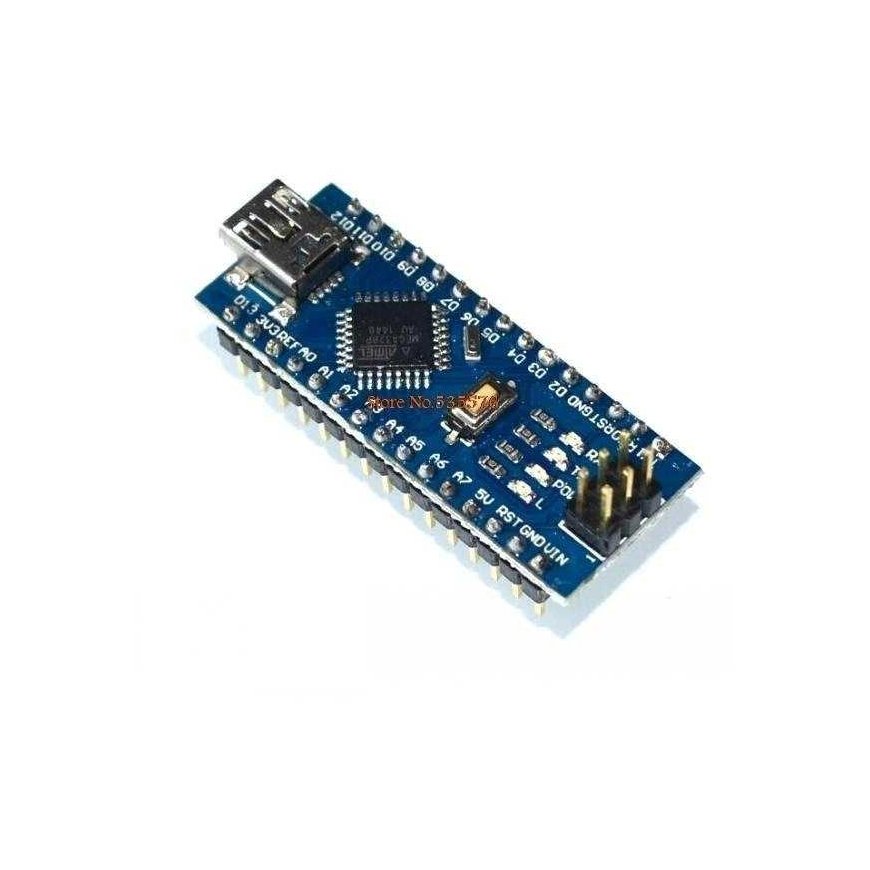
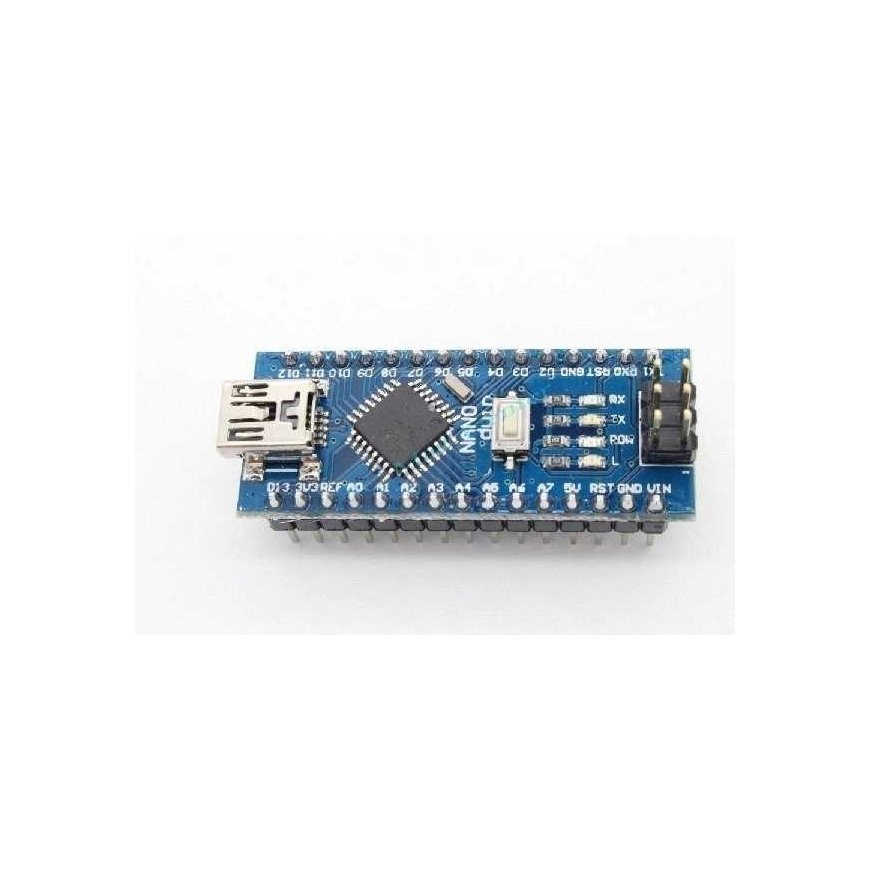
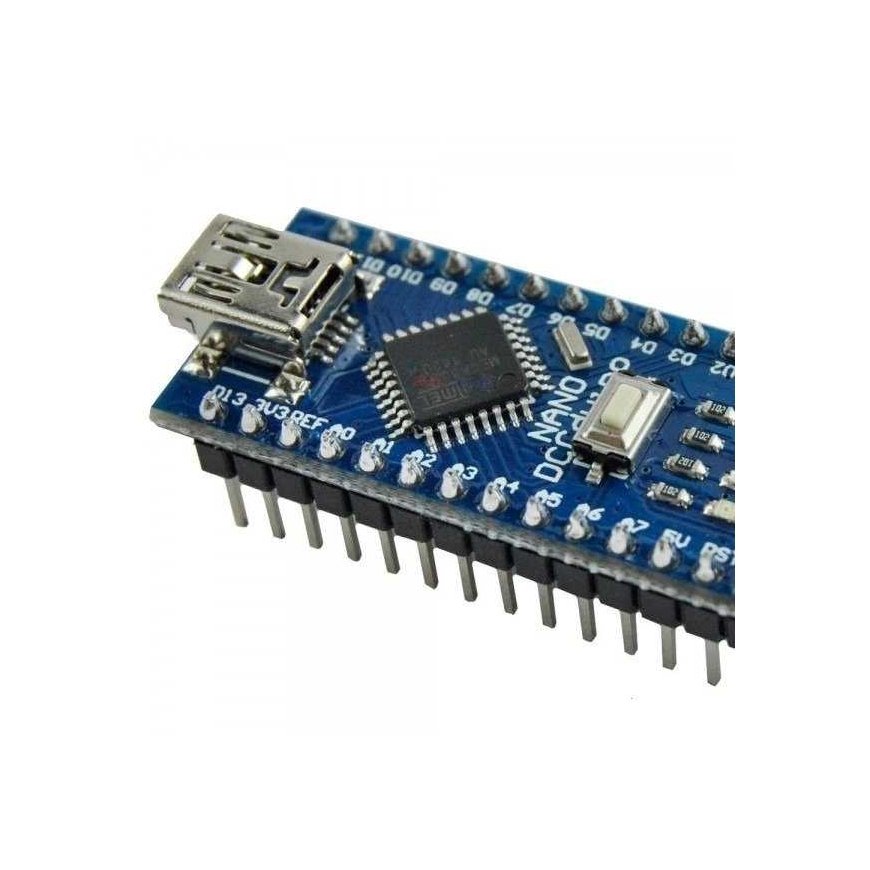
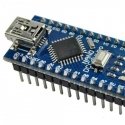
NANO V3.0 16MHz USB – ATmega328P – FTDI232 – clone – Arduino compatible
20.31 €
3666042 ABC-18579
5904384740277
Доставка 8-12 р.д.
Вас заинтересовал этот товар?
Все о продукте
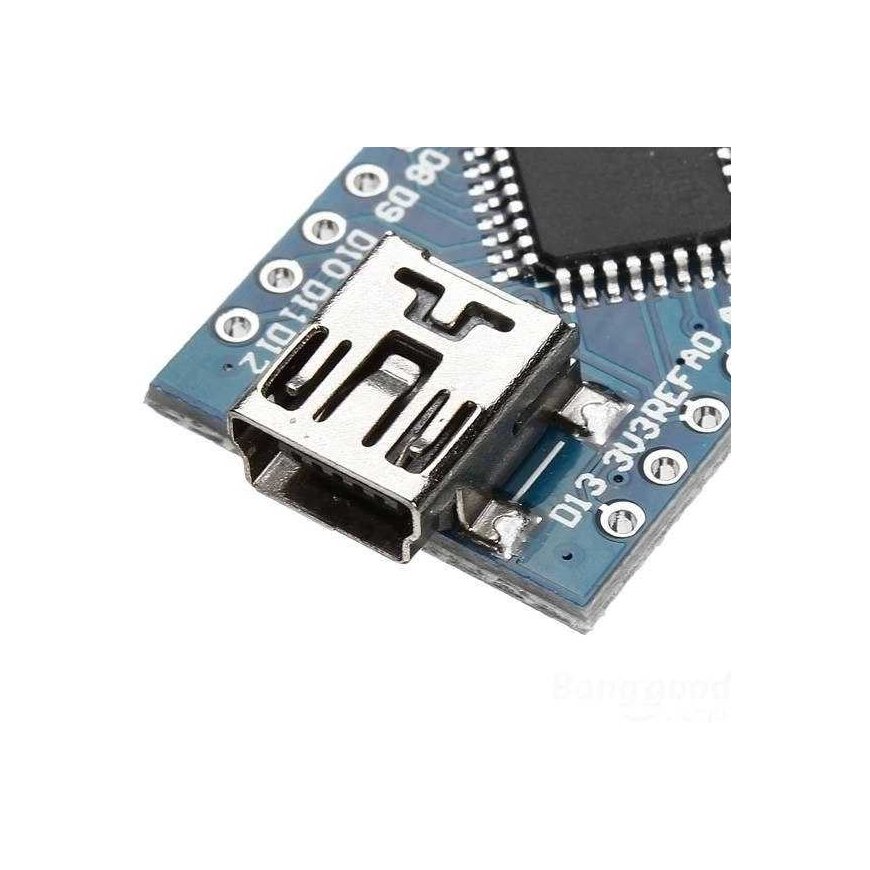
NANO V3.0 16MHz – ATmega328P – FTDI 232 – Arduino compatible Universal mini NANO module with ATmega328P microcontroller and mini USB connector. Can be used in many microprocessor projects. The system is compatible with Arduino project.- Precision-restored maple ensures performance and reliability.
- NANO has an FTDI 232 programmer, thanks to which the module is ready to work immediately after connecting to a computer
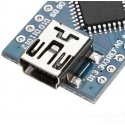
- The convenient mini USB connector makes this module easy to connect to a computer and program, and its small size makes it suitable for smaller projects.
- The Atmega328p microcontroller is used in Arduino.
- The Nano has a voltage regulator, so we can power the module with a voltage higher than 5V.
Product features
- The Nano microcontroller, like the Pro, is based on the popular Uno module
- It has an Atmega328p microcontroller.
- The board has a MINI USB connector with an FTDI programmer
- The board has an ATmega328p processor with
- 32kB Flash memory
- 1kB SRAM memory
- 1kB EEPROM memory
- It operates at a 16 MHz clock signal.
- The board has pins – outputs/inputs
- 14 digital pins - can be used as input or output. The pins operate according to the TTL5V standard. Each of them has an efficiency of 40mA and also has built-in pull-up resistors. Some pins have additional functions (UART, INT, PWM, SPI, LED).
- including 6 PWM channels, e.g. for servo/motor control, e.g. SG-90
- 7 analog inputs, each of which allows measurement with 10-bit resolution. Some pins have additional functions (I²C, AREF, Reset) and can be used as regular additional digital pins.
- 14 digital pins - can be used as input or output. The pins operate according to the TTL5V standard. Each of them has an efficiency of 40mA and also has built-in pull-up resistors. Some pins have additional functions (UART, INT, PWM, SPI, LED).
- Arduino Nano can be powered
- via mini USB cable
- an unstabilized voltage of 7-12 V is supplied to the VIN pin or from a stabilized voltage source of 5 V (5 V).
- The system automatically selects the highest voltage power source.
- The FTDI232 chip is a hassle-free chip programmer
- The system has a communication system with a computer via:
- UART interface – connected to pins 0 (RX) and 1 (TX).
- USB-FTDI
- Additionally, I²C (TWI) and SPI interfaces are supported
- Operates on 5 V voltage.
- Manual reset switch
- LEDs to control system operation
- The connectors located on the board allow the board to be connected directly to a breadboard.
- This version has soldered connector pins
- Programming is done using the Arduino IDE, a free software that is especially user-friendly for beginners. – IDE program – http://www.arduino.cc/en/Main/Software
- The microcontroller on the board has a pre-installed bootloader that allows you to load software without using additional hardware.
- The module comes standard with the BLINK LED 13 program and bootloader - description http://majsterkowo.pl/od-go-zaczac-zabawę-z-arduino/
- In addition, it is possible to program the processor via ICSP.
Technical data
- Supply voltage: 5V
- Microcontroller: ATmega328 - 16 MHz
- Ports - I/O pins: 14
- Number of analog inputs: 7
- Number of PWM outputs: 6
- Serial interfaces: UART, SPI, I2C
- External interrupts
- Overcurrent protection
- The module is made of 0.8 mm thick laminate
- Weight less than 5 g.
- Pin spacing 2.54 mm (can be mounted on breadboards)
- Dimensions: 45x19 mm
- 32kB flash memory
- 1kB EEPROM
- 1kB SRAM
- 2 8-bit timers/counters
- 1 timer/counter 16 bit
Notes on construction and connection
- Power supply
- If the supply voltage is higher than 5V, connect it to the VIN pin, which is connected to the stabilizer.
- VCC is directly connected to the microcontroller pins, connecting a voltage higher than 5V may permanently damage the system.
- Inputs/outputs
- The Arduino Pro has 14 digital input/output (I/O) pins.
- Each pin allows a maximum current of 40 mA, which allows direct connection of LEDs with resistors and control of other integrated circuits.
- In addition to standard I/O, some contacts have special functions.
- programming
- Software development and upload is possible in a free environment provided by the manufacturer.
- The ISCP connector allows you to connect an external AVR programmer. A detailed description can be found in the documentation and manual.
- You can use the ASP USB programmer for programming via the ISCP connector.
- Arduino can also be programmed using external UART converters.
Important and useful pages and descriptions
- Arduino Pro Mini homepage - http://www.arduino.cc/en/Main/arduinoBoardNano
- IDE software - http://www.arduino.cc/en/Main/Software
- Nano V3.0 board pin errors – http://microcontrollers.cba.pl/?p=6
- USB Chip Driver – http://www.driverscape.com/download/usb-serial-ch341
Pinout description
Example of use in a project
Including
- NANO V3.0 16MHz USB - ATmega328P - FTDI232 - 1 pc.