Все о продукте
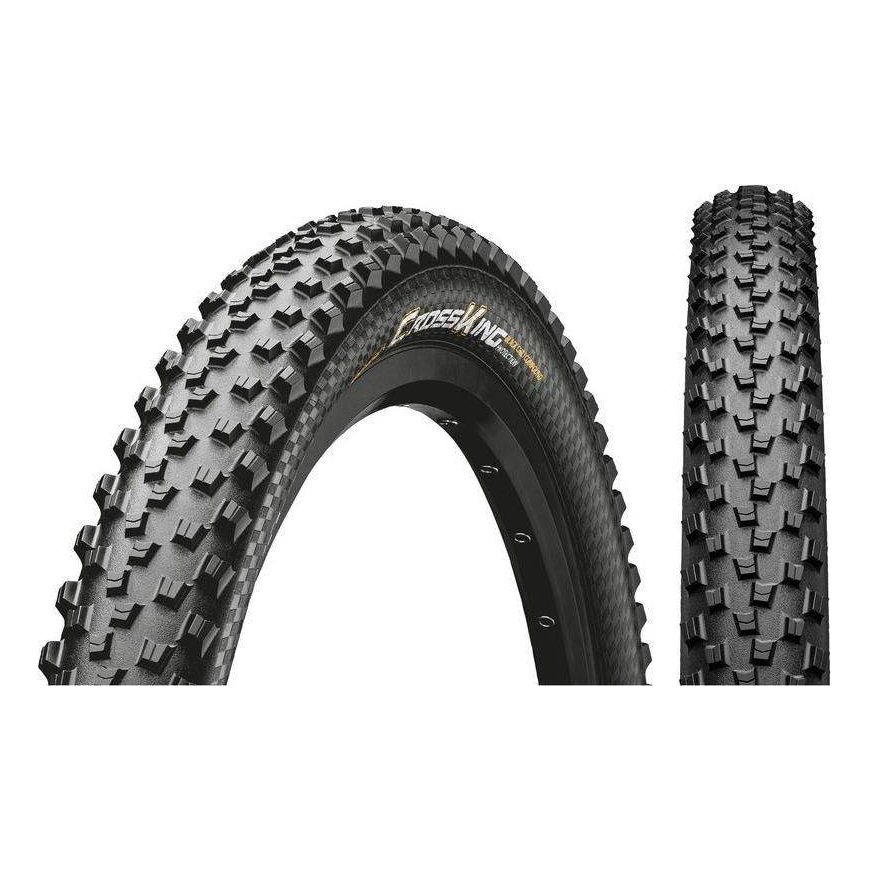
Cross King - Royal in all editions! "Cross King" is an uncompetitive tire among the so-called "all rounders", that is, tires for any difficult conditions. The detailed and rounded profile adapts to every area. It's great, screwed into the lids. In addition, it provides very good grip with relatively low rolling resistance, and the special profile helps to clean itself. All this makes it an excellent tire for competition. The high-quality, unique mixture of PureGrip Compound and three-layer frame will ensure high durability. The tire used reinforced walls that improve impact protection. The manufacturer suggests fitting the tire to a 23C-27C.Parametry rim: Size: 26"x2.3" Etrto: 58-559Typ: wire Reflective belt: Non-maximum air pressure: 3.75 bar (54 PPI) Take-off density: 3 layers = > 180 TPI Product Catalog Number: 0150433 Average Weight: ~ 730g PureGrip Compound This silicon compound technology was originally intended for the hiking market, but after intensive work in Continental's R&D at the Korbach plant, an advanced new compound with excellent properties combining grip and the ability to drive in difficult terrain. This new rubber compound, given the clear name PureGrip ("clean grip"), is just below the BlackChili Compound and is used in the production of heavy and mountain bikes. This compound provides good grip, but is also durable and very durable, with all the characteristics of Continental tires. Continental Shield Wall Systems combine a high combination of undercut protection and low rolling resistance with low tire mass. This can be achieved with an additional protective layer consisting of a finely woven Opon cross material for use in e-bikes. Matching tire size to rim size (ETRTO) To clarify the sizing methodology, Continental bicycle tires are measured according to the European Tire and Rim Technical Organization (ETRTO) formula: tire width [mm] x rim diameter [mm], e.g. 23 -622. This information is provided on the sidewall of the tire. An alternative way of specifying the size, such as 23x700C or 26 x 2.4, does not provide clear information about the required rim diameter. Therefore, in case of any doubt, the internationally recognized ETRTO standard should always be used. In general, Continental recommends mounting bicycle tires on clincher rims (beveled edges) because this type of rim is likely to retain the tire, especially at air pressures greater than 44 PSI. For clincher rims like the 13C-622, measurements are given as rim width in millimeters (A dimension), C for crotchet, and rim diameter (D dimension). If the information on the old dimensions of the rim is not legible, the width of the rim can be measured with a caliper, measuring the distance between the curved edges. A list of rims and matching tires is available from the ETRTO organization. Air pressure in tires Air pressure directly affects the handling, durability and rolling resistance of a bicycle. A tire can only function properly within the specified pressure range. In addition to the volume and weight of the bike and/or rider system, the purpose of the tire is also important. Every Continental tire must meet the recommended air pressure range indicated on the sidewall. If the pressure is too low, the tire wears out faster and also increases the risk of tire punctures and skidding. Small cracks also appear over time. Excessive pressure makes the tire very hard and uncomfortable. Traction, grip and rolling resistance may be reduced. All bicycle tire systems gradually lose pressure. Therefore, they often need to be controlled. MTBers and tourists should check their blood pressure at least once a month. Travelers once a week. If light and supersonic chambers are used, the pressure must be checked before each run. Tire weight Railroad tire production is a goal for designers and production line workers. However, sometimes there is a deviation from the weight specified in the catalog. They are due to a certain allowable cover and rubber thickness required during the manual manufacturing process. The weight specified in the catalog is determined during the development of the pre-production series and is subsequently re-checked. Depending on the model, the catalog data may deviate by up to 10%. What is a REIP? Frame structure - the structure of the main take-off. The carcass is the main wheel of all tires. The construction, material and thread density of the carcass depends on the requirements of the tires. Continental generally uses a high quality warp made from woven and then rubberized nylon threads: Nylon bonds well with rubber and is weather resistant. The density of the nylon thread determines the specific properties of the tire. Thread density is indicated in REIP (threads per inch), which is the number of threads in 1 inch of length. Fabrics spread 22 REIP, 28 REIP, 60 REIP and 110 REIP. Thanks to the very small piece of fabric, the tire is flexible and protects the cover from impact. The loose weave of the fabric means greater cut resistance and strength in the tire. The choice of bar depends on the purpose of the tire. A three-layer mainframe is standard. Additional Breaker protection can be attached under the tread to further strengthen the tire and prevent it from being cut. Depending on the purpose, different protective structures and materials are used. These include, for example, the highly flexible special rubber used in the Plus tire family, as well as the fabric protective layers in the PolyX and Vectran ™ sports racing tires. The construction of the tire is described in its technical specifications. The number of layers, the amount of TPI and the type of cut protection are indicated: 3/180 + Vectran ™ is three layers of TPI 60 fabric with the added protection of Vectran ™ Breaker.