

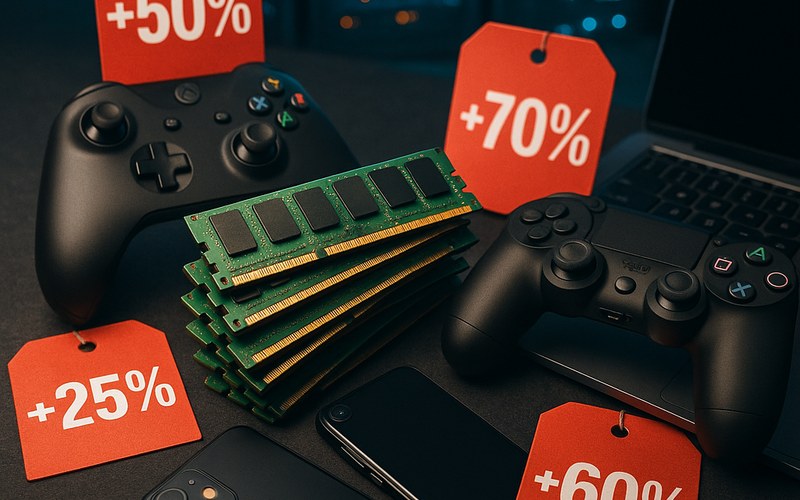
 RAM-ageddon 2026: Why Your New Phone and Console Just Got €100 More Expensive
 - RAM-ageddon 2026: Why Your New Phone and Console Just Got €100 More Expensive
-
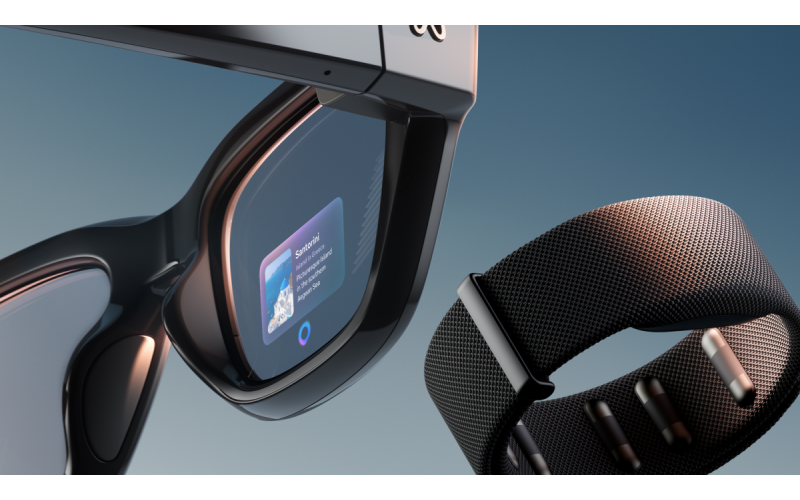 Smartphones are now coming with artificial intelligence: who is already selling, who is advertising on July 22 - and why Apple gave in
 -
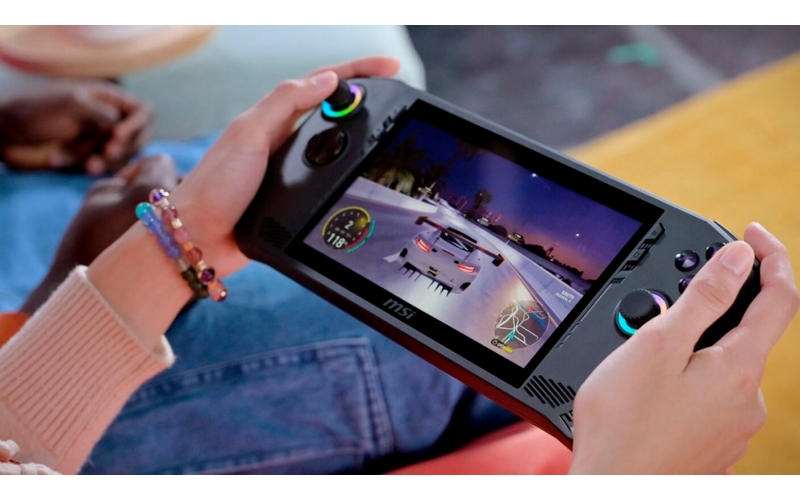 Intel has entered handheld consoles - AMD is no longer the only one
 -
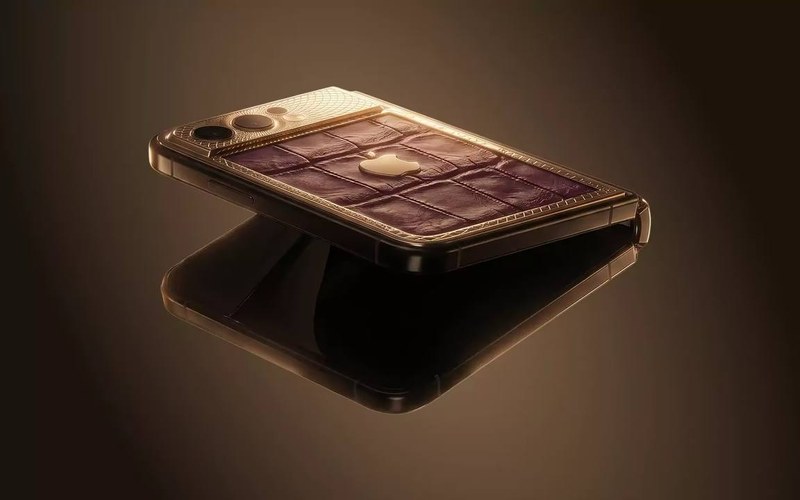 Apple Orders 10 Million Foldable iPhone Ultra Units — Reports
 -
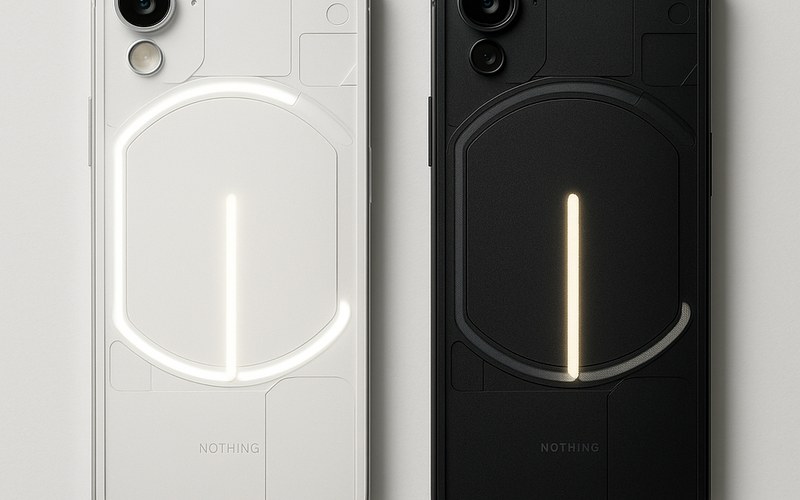 €329, 5200 mAh and Software Support Until 2032 — What the Nothing Phone (4b) Really Offers
Soldering irons, solder
4035077
4350624129.00Monthly payment from 4.22 €MPN: HS-02AMAX
4363131119.00Monthly payment from 3.96 €MPN: HS-02BMAX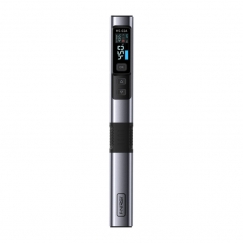
4358656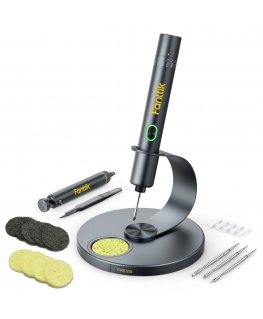
4074021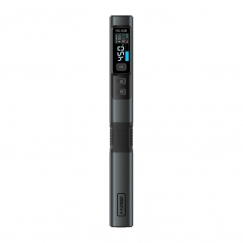
4346767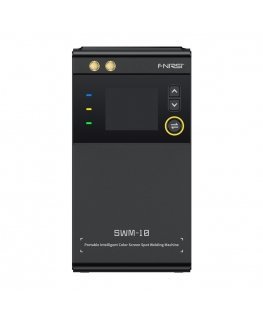
4037784
3627190
318092339.00Monthly payment from 1.90 €MPN: TOP-19-158- -2%
1739570 
2209580
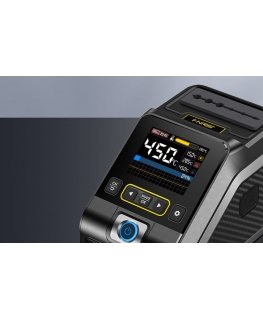
Soldering irons and solder are the basics for anyone repairing electronics, joining wires or handling small jobs at home. This category covers the whole process: from simple mains-powered irons for beginners to temperature-controlled soldering stations for precise work on circuit boards. You'll also find solder in various gauges, flux and consumables, so a kit is ready to use straight away.
How to choose a soldering iron
The right choice depends on what you solder and how often. A lower-wattage iron suits fine components and thin wires, while a more powerful model handles larger joints and tinning. If you solder regularly, look at a temperature-controlled soldering station: steady heat protects components and gives a clean joint. For work away from a power socket, a gas or battery iron is handy.
Solder, flux and accessories
A solid joint starts with the right solder. The range includes both leaded and lead-free solder, plus rosin-core wire that makes the job easier. Flux and solder paste help the metal flow, while a desoldering pump and spare tips come in useful for repairs and maintenance. It's worth adding replacement tips and a cleaning sponge from the start, as these wear out fastest.
Brands and buying at Cybermarket
You'll find Kemot, BLOW, Cynel, Yato, Deca and FNIRSI here, and the latter's digital-display stations are valued for their fair price, so there's something for both hobbyists and workshops. We deliver across the Baltic states and to Finland, products come with a warranty, and larger orders can be split into instalments. If you're unsure about wattage or solder type, start from the size of the components you'll be working with. That tells you most of the rest.