
Estonian families plan to spend €51-200 per child on back-to-school shopping in 2026, according to a Norstat survey commissioned by Lidl Eesti (1,002 respondents, late July 2026). Tech makes up only a small slice of that: headphones, a USB drive, a mouse with a mousepad, sometimes a power bank - together from €27.
Key Takeaways
- Estonian families budget €51-200 per child for school in 2026, and about 40% plan to spend roughly the same as last year.
- Parents aged 40-49 shop for school most often (55%), followed by 30-39 (43%) and 18-29 (38%).
- Only 8% of families planned to buy electronics for back-to-school - for most, it's a minor add-on, not a priority.
- A minimal tech kit - headphones, a USB drive, a mouse, a mousepad and a backpack cover - costs about €27, roughly half the lower budget limit.
- The priciest item on the list is a power bank (€37-40), but it's only needed for a long school day.
How much do Estonian parents spend on school shopping in 2026?
Norstat's survey, commissioned by Lidl Eesti in late July 2026 (1,002 respondents), shows most families keep their per-child budget within €51-200. About 40% of parents expect to spend roughly the same as a year ago, so there's no sharp jump in spending.
Parents aged 40-49 shop most actively (55%), followed by 30-39 (43%) and 18-29 (38%). Families approach the list pragmatically, replacing what ran out or was outgrown rather than buying on impulse. The biggest categories are notebooks and stationery (76% of families), clothing and footwear (73%), and sportswear (41%). Only 8% of respondents planned to buy electronics.
What tech does a schoolkid actually need for September 1st?
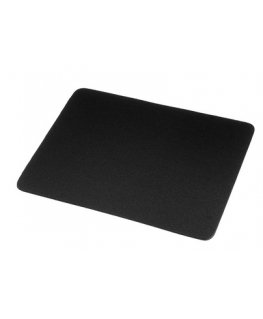
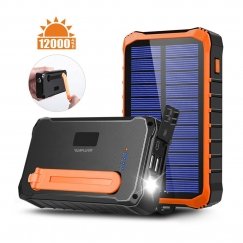
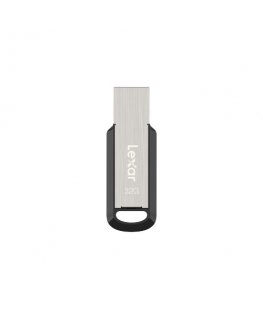
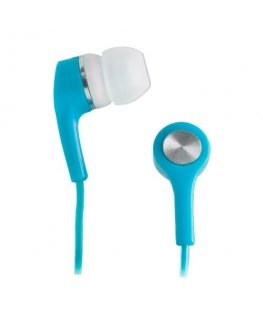
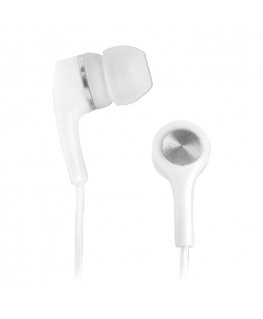
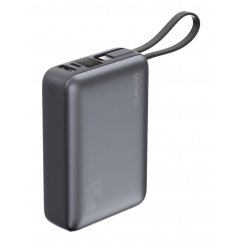
For everyday schoolwork, four items usually cover it. Headphones are needed for lessons and homework on a computer. A USB drive helps when there's no access to the school cloud and a file needs to be carried by hand. A mouse with a mousepad is handy when a child works on a laptop at home. A power bank is a separate case: useful when the school day is long and the phone dies before there's a chance to reach an outlet.
Younger grades usually do fine with wired headphones without Bluetooth: no charging needed, and they're harder to lose than a wireless pair. At home, where homework is done on a laptop or tablet, a compact mouse and a mousepad help - a cursor on a desk is easier to aim than a finger on a trackpad. A USB drive comes in handy when an IT class or a project calls for bringing a file along instead of emailing it.
How to put together a tech kit within a €51-200 budget?
Below is tech from the cybermarket.ee range priced as of August 2026. Five items without a power bank come to €27, and with a power bank - €64-67.
| Item | Price | Why it's needed |
|---|---|---|
| Esperanza EH125 wired headphones | €5.02 | lessons, homework, no charging needed |
| SETTY GSM022088 / GSM022089 wired headphones | €5.08-5.28 | spare pair or a separate set for a second child |
| Lexar JumpDrive M400 USB drive, 32 GB | €5.65 | file transfer and reports for younger and middle grades |
| Lexar JumpDrive P30 USB drive, 128 GB | €5.65 | projects, video and presentations for high schoolers |
| MOFII M5DM wireless mouse (pink) | €5.65 | working on a laptop at home instead of a trackpad |
| Tracer TRAPAD15855 mousepad | €5.03 | protects the desk and improves mouse accuracy at a home workspace |
| Thule Crossover 2 backpack cover | €5.65 | protects the device and small items on the way to school |
| 4smarts power bank, 12,000 mAh | €37.03 | charges the phone during the day for clubs and after-school care |
| 4smarts power bank, 20,000 mAh | €39.52 | charge for several days or for two kids at once |
A compact kit of headphones, a USB drive, a mouse, a mousepad and a backpack cover fits in €27, about half of the lower budget limit (€51). Add a power bank at 12,000 mAh and it's €64; with the 20,000 mAh model - €67. That's closer to the middle of the €51-200 range families budget per child overall, including clothes and stationery.
Should a first-grader get a power bank?
A first-grader usually doesn't need one: the school day is short, and the phone often stays at home or switched off in the backpack. Older kids benefit more: clubs, sports or after-school care follow lessons, there's no outlet nearby, and a dead phone becomes a familiar problem. The 12,000 mAh model covers a full day of calls and games; the 20,000 mAh one lasts several days or covers two kids at once.
Can you fit school tech into a budget under €51?
Yes. A basic kit of five items (headphones, a USB drive, a mouse, a mousepad and a backpack cover) costs about €27, just over half the lower limit of the €51 back-to-school budget from the Lidl/Norstat survey.
Does a schoolkid need a power bank?
Not every child. Per the same Lidl/Norstat survey, only 8% of Estonian families planned to buy electronics for school. A power bank is worth it for a long day with clubs or after-school care; younger grades usually manage with just headphones and a USB drive.
Which headphones are best for lessons?
Wired models without Bluetooth cost less, from €5.02, and need no charging or pairing. For school, that's more practical than wireless headphones.
What USB drive capacity should a schoolkid get?
32 GB is enough for younger and middle grades (Lexar JumpDrive M400, €5.65). High schoolers working on projects, video and presentations should go for 128 GB (Lexar JumpDrive P30, €5.65).
Mouse or trackpad - which is better for homework on a laptop?
For long homework sessions, a mouse is more precise and comfortable than a trackpad. The compact wireless MOFII M5DM (€5.65) with a mousepad (from €5.03) solves it for under €11.