



Toote toon ja tegelik värvus võivad erineda pildil kujutatust, kuna pildid on illustratiivse iseloomuga. Samuti on toote kirjeldus üldine ega pruugi sisaldada kõiki toote omadusi.
Lay Filaments LayFilaments LAYWOODmeta5 plastic - 2.85mm - 250g
59.00 €
Kuumakse alates 2,42 €
3596020 PRM-3610
0634654249715
Tarneaeg 11-18 t.p.
Kauba vastu huvi?
Kõik toote kohta
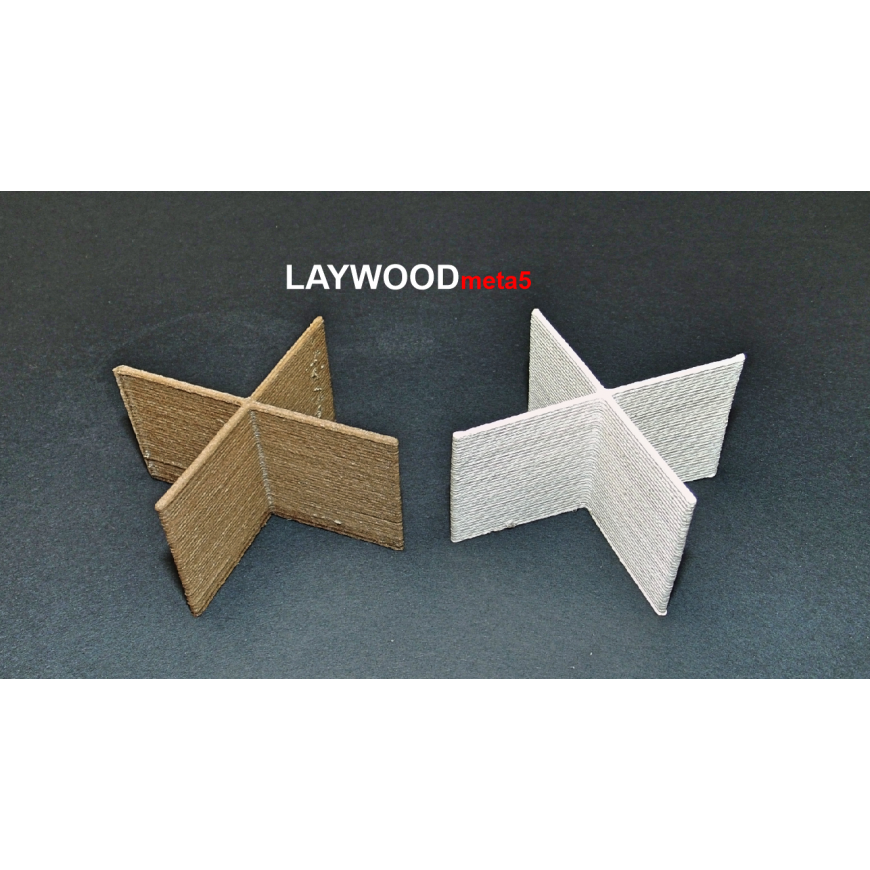
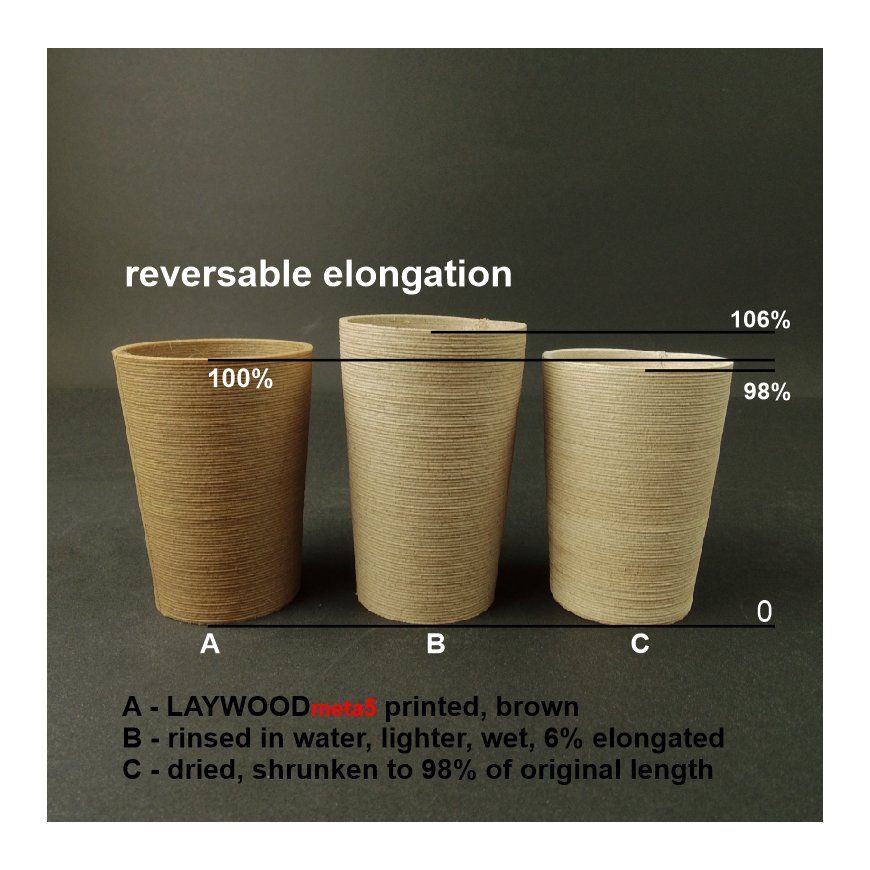
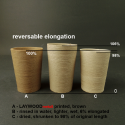
Kai Parthy, a developer of interesting, sometimes very complex 3D printing materials, introduces LAYWOODmeta5, a new version of his wood plastic that is thermally insulating and adapts to climate changes by changing its length and volume.Similar to cardboard, LAYWOODmeta5 printed objects have a rough surface with a microporous structure that can quickly absorb water and thus expand. This process can be reversed by drying in an air stream.
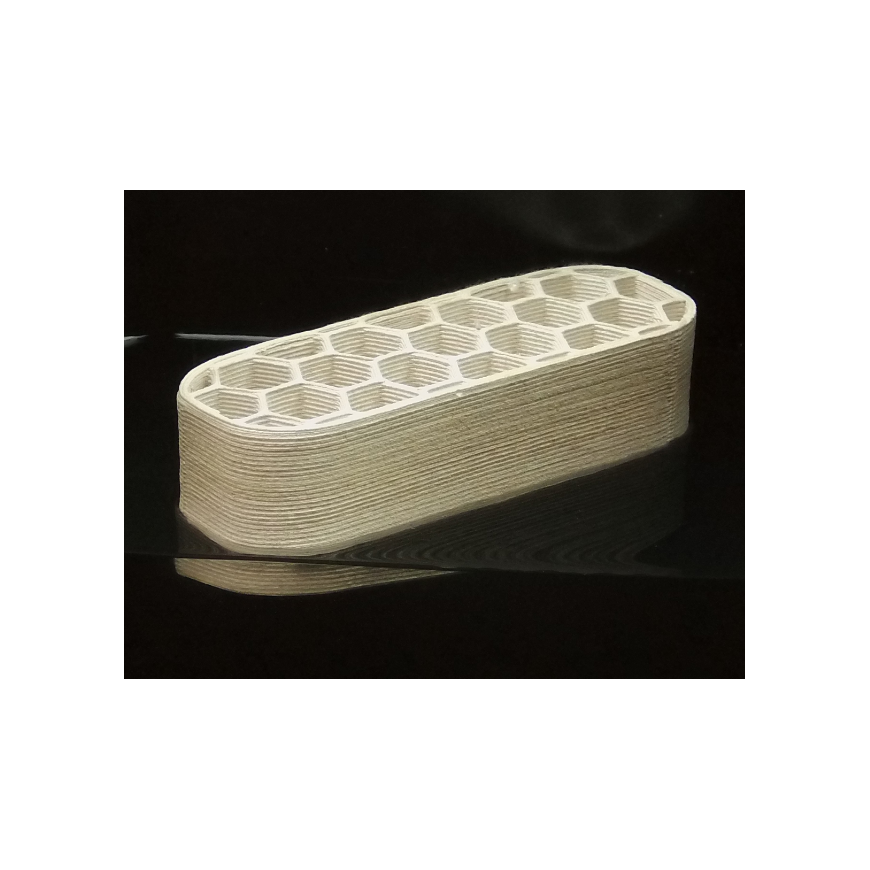
You probably remember LAYWOO-D3, the first wood-filled plastic that allowed objects with light and dark rings to be printed like wood. Compared to LAYWOOD, the new material is porous, so its density is lower (something like balsa wood), about half that of standard plastics. After two days of rinsing in water, open, mycelium-like cell structures form. As a result, printed objects float on water - unlike unrinsed parts, which have a density similar to that of other thermoplastics.
In a 3D printer, plastic is easy to process and adheres to an unheated printing base without deformation. The printing temperature should be between 235 °C and 250 °C. By the way, the material can also be marked with any type of ink after printing.
Main features:
- Floats on water, light as balsa wood when washed in water, absorbs water quickly, porous, rough, similar to cardboard
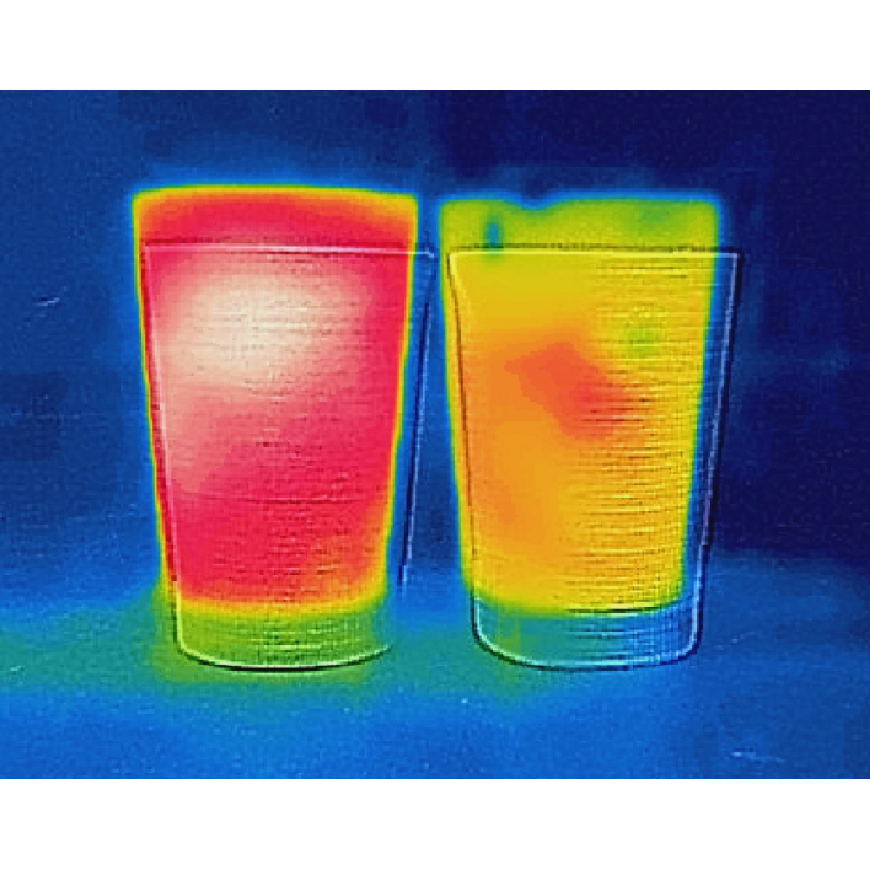
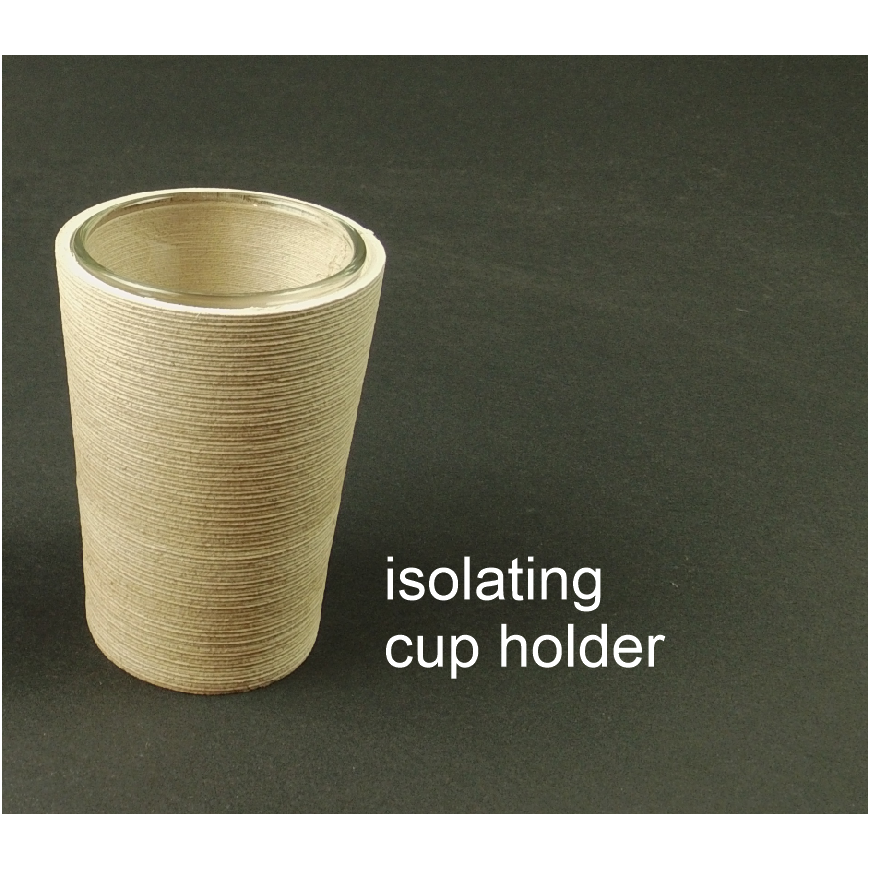
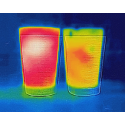
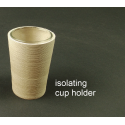
- Thermal insulation, low thermal conductivity
- Climate resistant (elongation)
- Absorbent agent carrier
- Print: 225 – 250 °C, cold platform
- No deformation, sticks to ABS platform as well
- Only 50% the density of standard 3D printing plastics
- There are open pores inside, dry the object with a fan, not in the oven
- Cell structure as a mycelium
- Can be painted with water-based paints