Kõik toote kohta
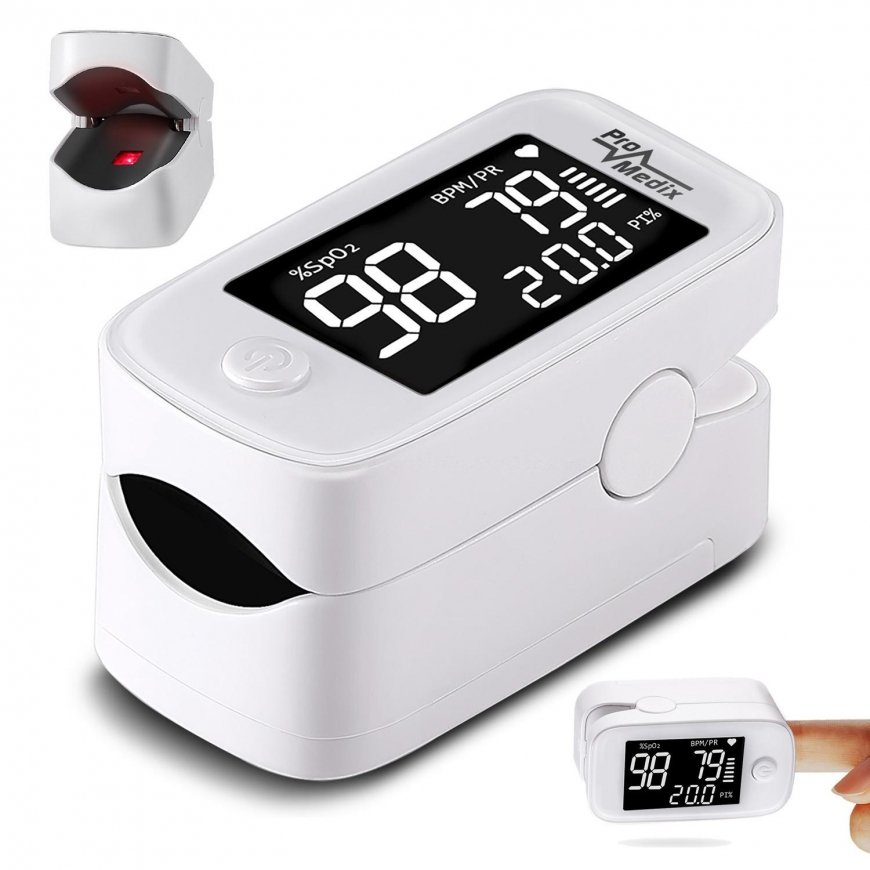
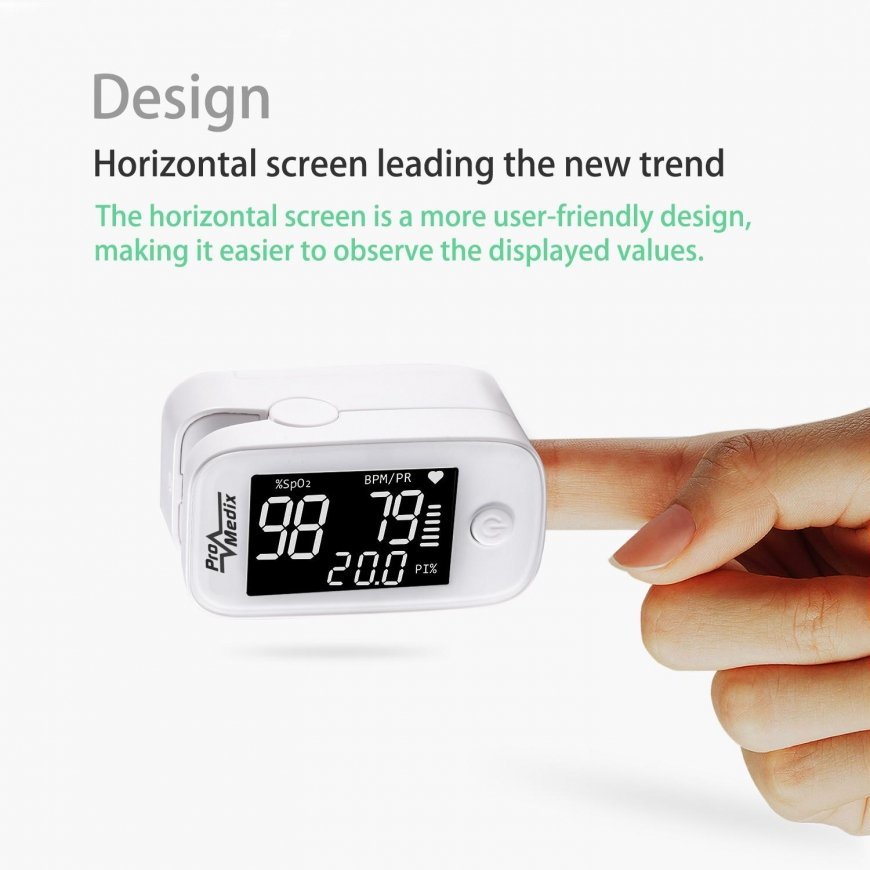
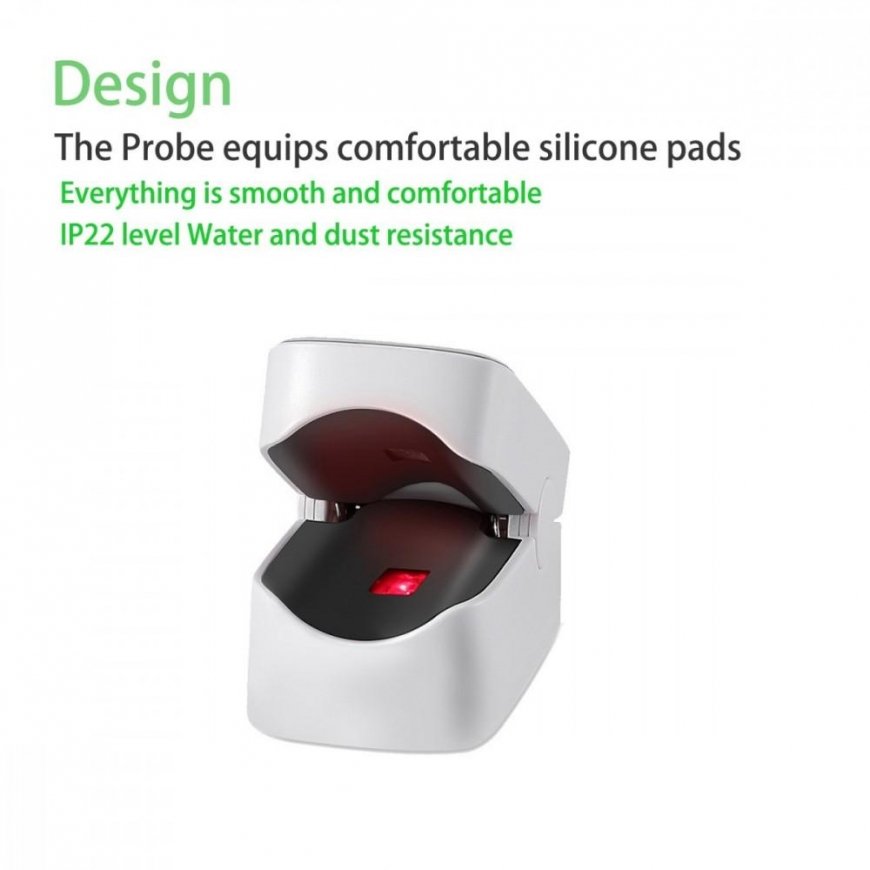
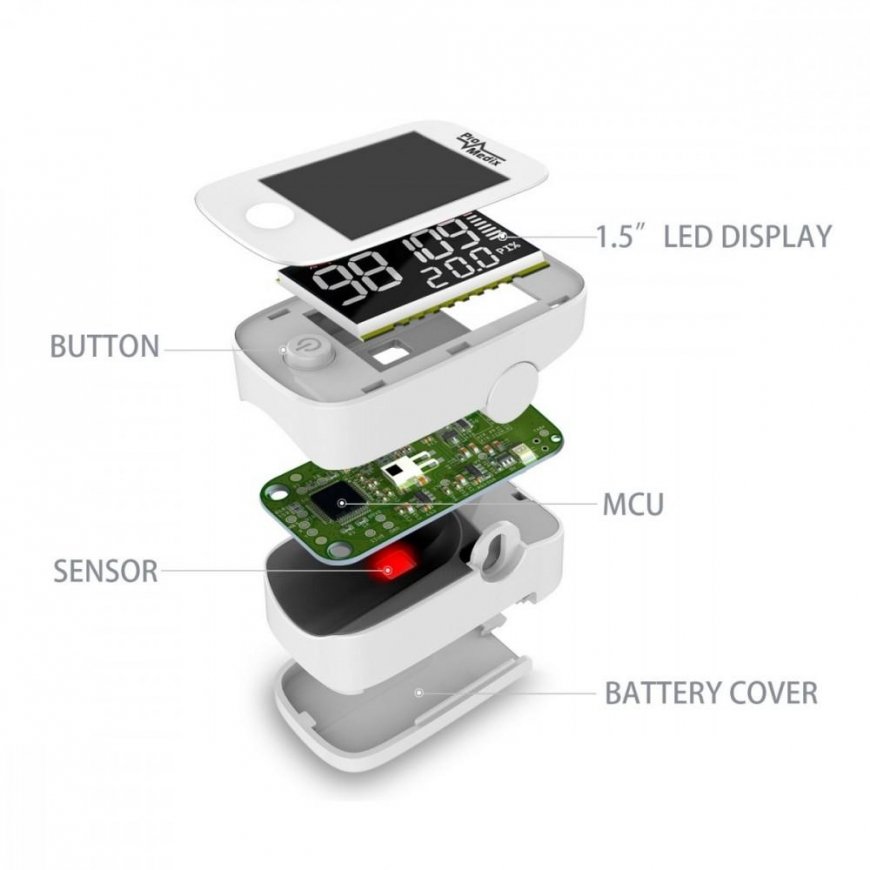
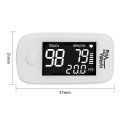
Most people only learn about oxygen saturation testing when they have a problem. The most common cases are circulatory or respiratory problems. The best solution is to detect malfunctions in our body in time - this is what a pulse oximeter will help us with. Thanks to this quick and non-invasive test, we can assess and learn how our circulatory and respiratory systems are working. A fingertip pulse oximeter is used to read vital signs (for the elderly, adults and children aged 4 and over), such as heart rate and blood oxygen saturation (saturation). Application of the pulse oximeter: - in the control of oxygen therapy, in case of severe respiratory disorders - in case of advanced respiratory diseases - in case of exacerbation of asthma or other respiratory diseases - in emergency cases when we suspect that the patient is suffering from hypoxia: accidents, burns, poisoning, hemorrhagic shock, limb amputation, severe blood loss, asthma attack, anaphylactic shock - monitoring of patients with anemia - in sports medicine during performance tests of athletes - during surgical procedures performed under general anesthesia and in the postoperative period - in patients with clinical coma - certain diseases such as altitude sickness and xenon sickness - to diagnose respiratory failure when the patient does not have specific clinical symptoms.