






The product's shade and actual color may differ from what is shown in the picture, as the images are for illustrative purposes. The product description is general and may not include all the product's features.
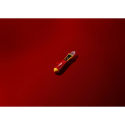
Contactless voltage detector WIHA 255-13 12 -1.000 V SB, Atex standard
2656923 44309
4010995443092
Shipping 12-13 b.d.
All about the product
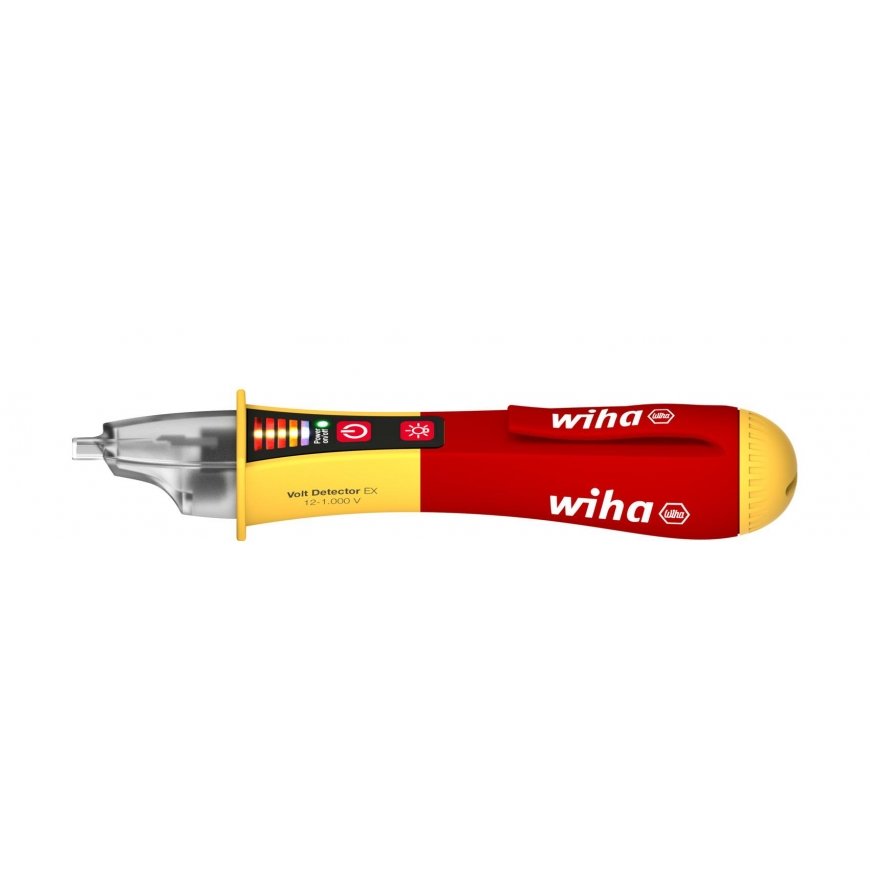
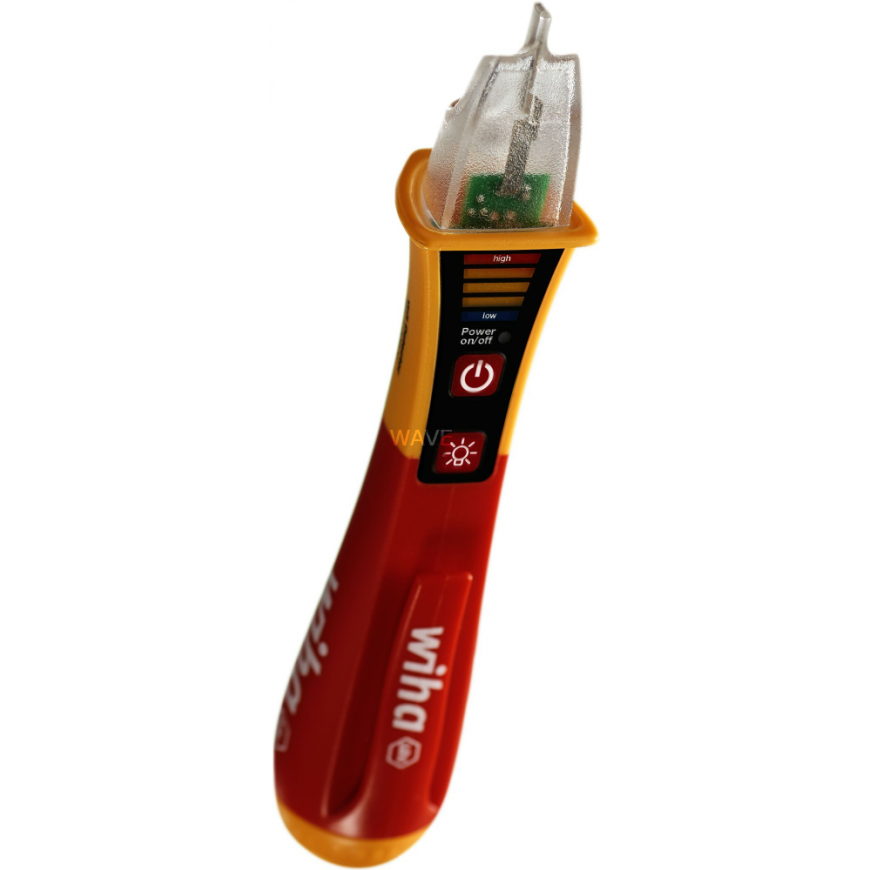
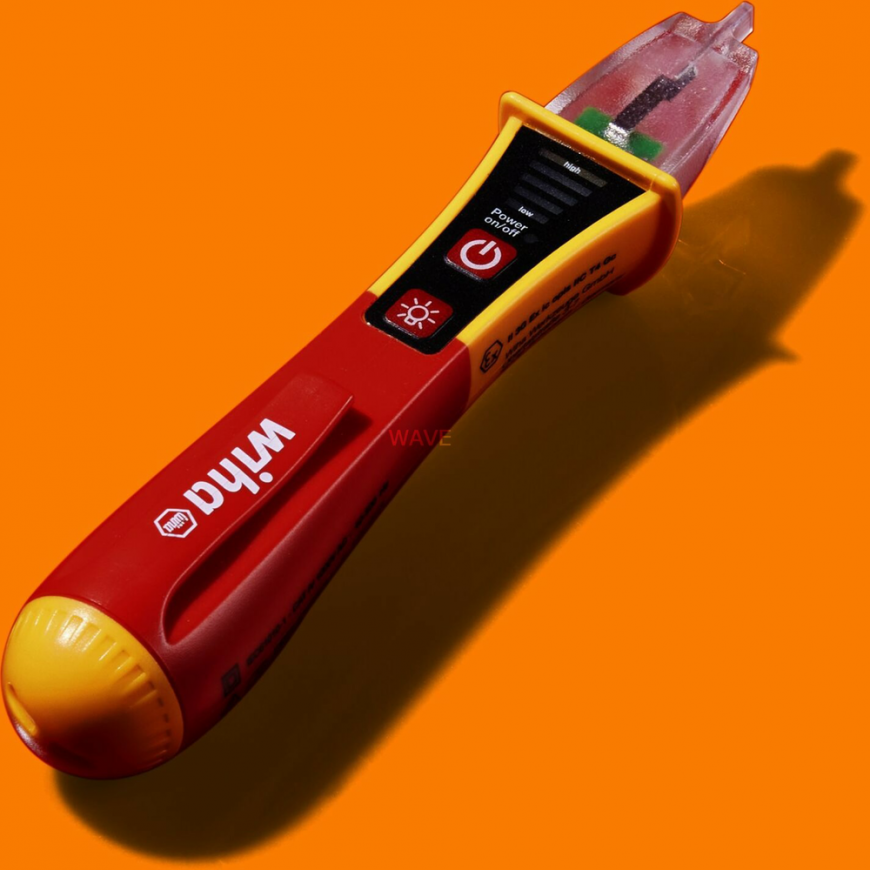
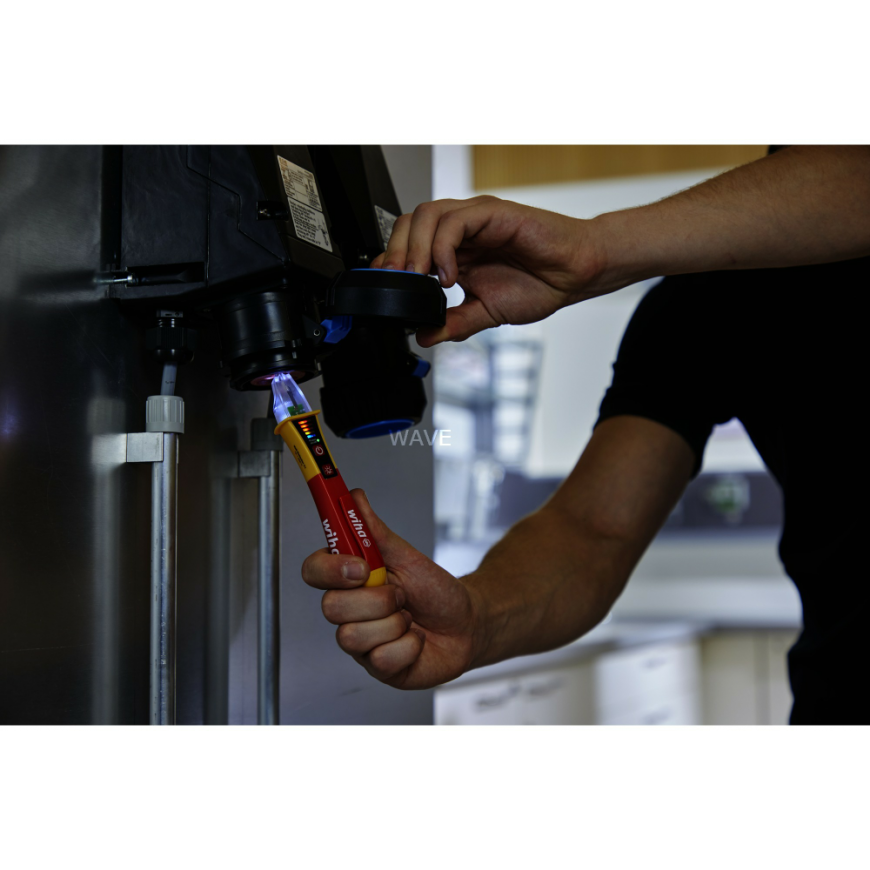
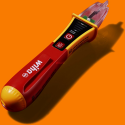
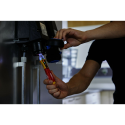
The non-contact voltage detector WIHA 90-1,000 VAC (150 mm) is required for testing alternating electric fields or for detecting possible sources of error. Thanks to its optical and acoustic signal, the non-contact Wiha voltage tester indicates whether voltage is present or not. When powered on, a steady green LED indicates readiness. During the voltage test, depending on the strength of the alternating electric field, the LEDs light up from blue (weak), to orange, to red (strong). Two AAA batteries are required for use, which are included in the delivery kit. If the device is not used for 4 minutes, it automatically turns off to save energy. The built-in LED flashlight allows you to illuminate the measurement area in the dark, and can also be used as a flashlight for manual switching on and off. Thanks to its convenient size, the clip-on voltage tester fits comfortably in any shirt or trouser pocket. With an internationally adjustable measuring tip, the voltage tester is suitable for all outlet variations worldwide. The unipolar voltage tester complies with the EN 61010-1 / IEC 61326 standard and is compatible with CAT IV 1000 VAC. In addition, the tool is approved according to the ATEX standard for use in explosive areas (category II).
The device must be tested using a known voltage source before and after use to ensure proper operation.
Designed to detect and locate live conductors, cable breaks and cable breaks, blown fuses, broken lamps on light strings, as well as for detecting individual wires.