
Padel: The Game You Can't Stop Playing
Padel is a doubles racquet sport that blends tennis and squash on an enclosed 20x10 m court, where the ball can be played off the walls and served underarm. Invented in Mexico in 1969, it now has over 35 million players worldwide, and courts have already opened in Tallinn, Riga, and Vilnius.
Five years ago, mentioning "padel" in the Baltics got you a puzzled "padel what?". Now evening court slots in Tallinn, Riga, and Vilnius get booked days ahead, and "padel on Saturday?" is a regular line in group chats. Here's where the game came from, how it took over so fast, and why even people who last held a tennis racquet in school get hooked after one session.
A Game Born From a Backyard Too Small for Tennis
Padel's story starts in 1969 in Acapulco. Mexican businessman Enrique Corcuera wanted to build a tennis court at home, but his plot was too small for a full-size one. Instead of giving up, he walled in a shrunken court, added a net, and made up rules borrowing from both tennis and squash. The result: a game where the ball can be played off the wall after a bounce, almost like squash, but with a stringless racquet and two players per side.
A few years later, Corcuera's friend, aristocrat Alfonso de Hohenlohe, brought the game to Spain and built the first courts at the Marbella Club. Spain turned out to be fertile ground: the resort pastime quickly became the country's second most popular sport after football. From Spain, padel spread across Europe, with Argentina, where it landed in parallel, playing its own part.
Why Everyone Is Suddenly Talking About Padel
According to the International Padel Federation's 2025 data, over 35 million people play padel worldwide, about 61% of them in Europe. The global padel market was valued at $342 million in 2023, with analysts expecting it to reach $508 million by 2032. Those numbers aren't a one-season fad: padel is genuinely competing for space in sports clubs alongside tennis and five-a-side football.
The Baltics joined the trend late, but thoroughly. Tallinn has opened several padel clubs over the past couple of years, from Cool Padel to courts at Viru Keskus, and slots there are often booked a week out. Riga has Padel Club Riga with six courts, some of them outdoor. Vilnius has caught up with several large venues, including courts at SEB Arena. For a region where tennis was the only racquet sport anyone talked about, the shift has been sharp.
How Padel Differs From Tennis
From the outside, padel looks like shrunken tennis in a glass box, and the resemblance isn't accidental. The court is 20 by 10 meters, notably smaller than a tennis court, enclosed by glass and mesh walls. It's always played in doubles - singles padel doesn't officially exist. Serves must be underarm, which instantly removes the cannon serves that can leave a tennis beginner unable to even join the rally.
Then there are the walls. The ball can be played off the back or side wall after a bounce, squash-style, which makes padel a game of positioning and smarts rather than raw power. Scoring stays nearly identical to tennis (15-30-40-game), so former tennis players barely need to relearn anything - except the habit of hitting as hard as possible.
Why Padel Is So Easy to Fall for After One Session
People usually fall for padel on their very first session, and the reason is simple: the first good shot happens right away, not a month into training. The stringless racquet forgives mishits far more than a tennis one, the walls bring back balls that would have sailed out in tennis, and with four players on court, no single person carries the whole rally. Someone who last held a racquet on a badminton court in the park is already part of meaningful rallies within 15 minutes - and genuinely enjoying it.
The social side helped a lot too. It's a doubles game on a small court, so all four players stay close and involved throughout. Sport and a racquet party meet somewhere in the middle, which is why people come back not just for the workout, but for the company.
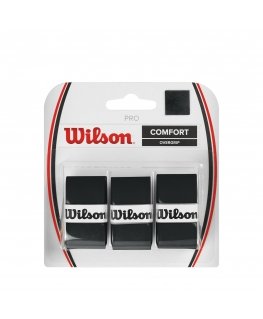
One thing newcomers rarely plan for: palms get sweaty faster than expected, especially on outdoor courts in summer, and after a few intense games the factory grip starts slipping. The fix is a simple grip replacement, like the Wilson WRZ4014BK for 12.78 €. In our store it's mostly bought by people who've already caught the bug and play a couple of times a week rather than once a month.
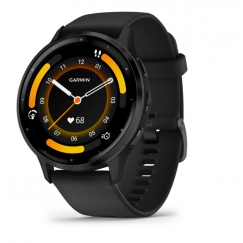
Anyone tracking effort seriously will want a sports watch on court. The Garmin Venu 3 with a 45 mm AMOLED display (370.90 €) tracks heart rate and calories honestly during a match, rather than giving an average-hospital-temperature reading the way cheaper fitness bands sometimes do. And for warming up solo before the group arrives, to music or a podcast, sweat-resistant JLab Epic Air Sport ANC earbuds (139.00 €) are a solid pick - on an active game where sweat flies everywhere, that's not a minor spec.
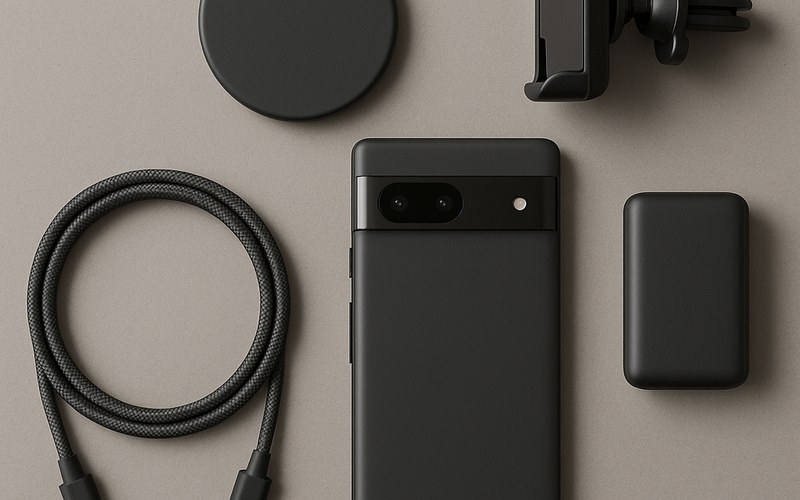
Outdoor courts are becoming more common across the Baltics as clubs claim shopping-mall rooftops and summer venues. The sun hits your eyes mid-rally, the ball comes off the opponent's racquet fast, and sport sunglasses like the 100% S2 Shield (119.00 €) turn out to be a working tool on court, not just a look. And when the day runs long - one match, then another, phone and watch battery both dying somewhere in between - a compact magnetic 10,000 mAh Joyroom JR-W050 power bank (24.28 €) saves the day: clip it onto the phone or watch and keep playing.
Key Facts About Padel
- Padel was invented in Mexico in 1969 as a compromise version of tennis for a small backyard, and it gained worldwide popularity through Spain.
- Over 35 million people play padel today, and nearly two-thirds of them live in Europe.
- Courts already exist in Tallinn, Riga, and Vilnius, and evening slots should be booked in advance.
- Padel differs from tennis in its smaller court, wall play, underarm serve, and mandatory doubles format.
- Beginners pick up padel faster than tennis, thanks to forgiving equipment and the team format.
Do You Need Tennis Experience to Start Playing Padel?
No. Tennis experience helps with ball sense and understanding the scoring, but the underarm serve and wall play work differently, so a retrained tennis player and a complete beginner are often on roughly equal footing for the first few sessions.
Can You Play Padel With Just Two Players?
Officially, no: padel only exists as a doubles game, and it's not played one-on-one. If you're short on partners, many clubs in Tallinn, Riga, and Vilnius help find teammates through their court-booking apps.