









Produkta tonis un faktiskā krāsa var atšķirties no attēlā redzamā, jo attēli ir ilustratīvi. Produkta apraksts ir vispārīgs un, iespējams, tajā nav iekļautas visas produkta īpašības.
Telescope Celestron Astromaster LT 60/700 AZ
178,99 €
Ikm. maksa no 5.51 €
2333510 28271100
0050234210737
Piegāde 2026-07-27 Latvijas teritorijā +1 diena
Šī prece Jūs ieinteresēja
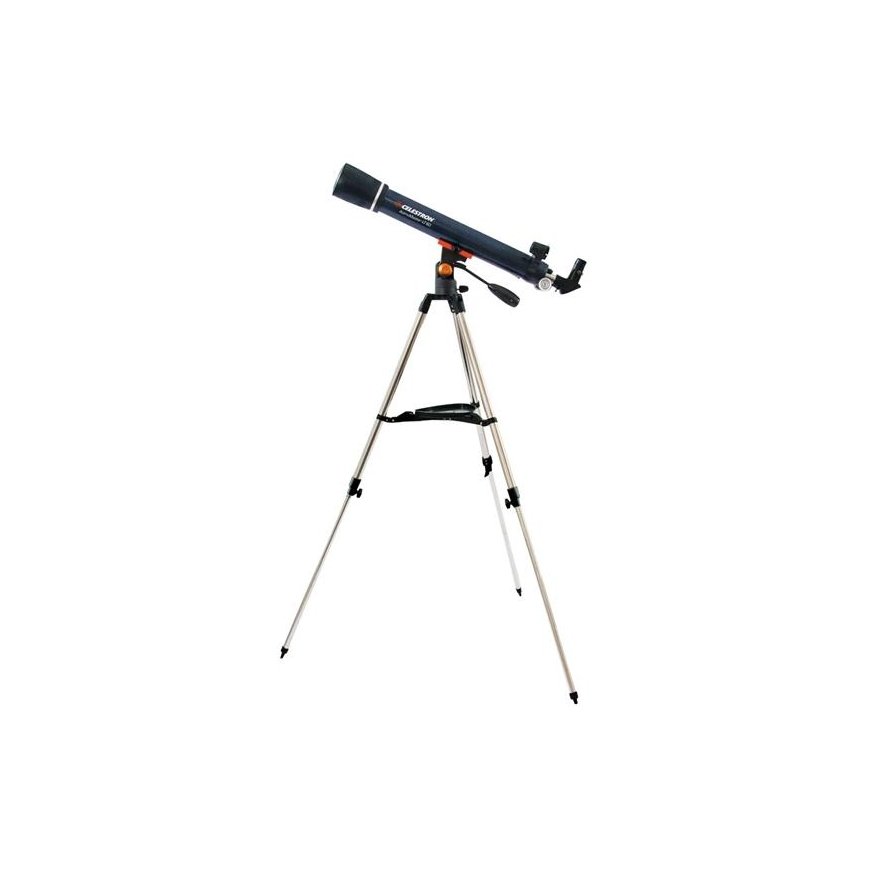
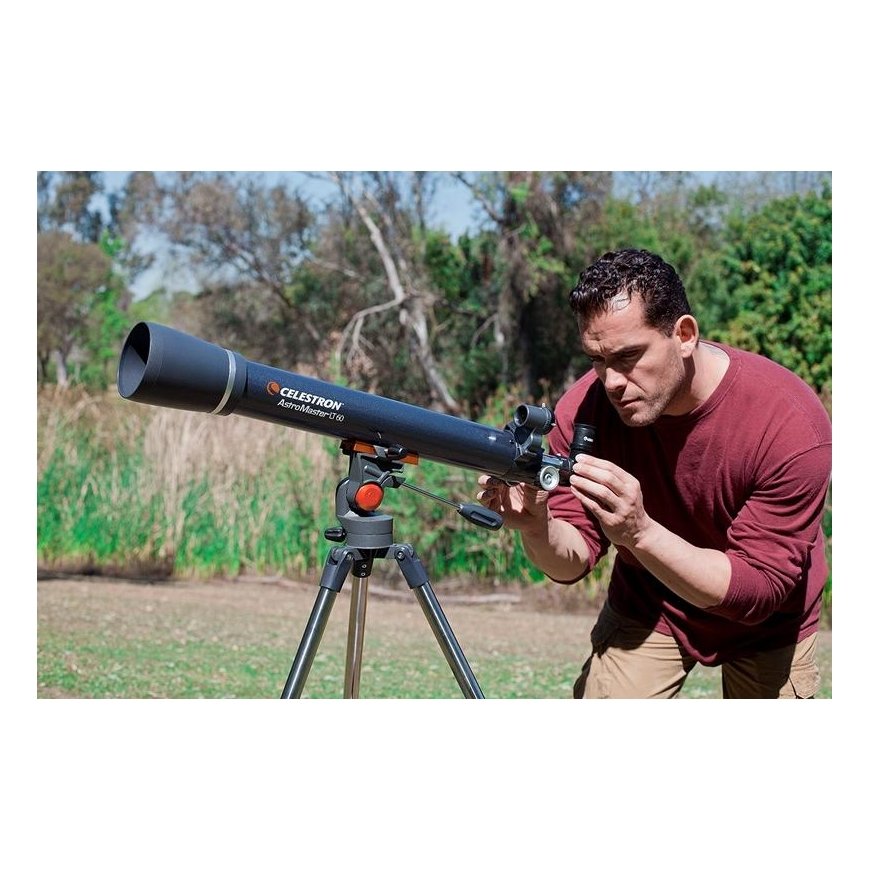
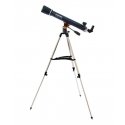
Celestron's Astromaster LT series telescope is an excellent instrument for new, keen astronomers. If you want to see the bands of Jupiter and the rings of Saturn - this telescope will definitely help you. Since the device is equipped with a "turning" prism, it is perfect for taking a look at nature. You will not need any tools to prepare the telescope. A few minutes - and the telescope is ready for work.
Technical characteristics:
- Magnification (with supplied eyepieces): 35x, 70x
- Recommended magnification: up to 120x
- Lens diameter: 60 mm
- Telescope focal length: 700mm (f/11.67)
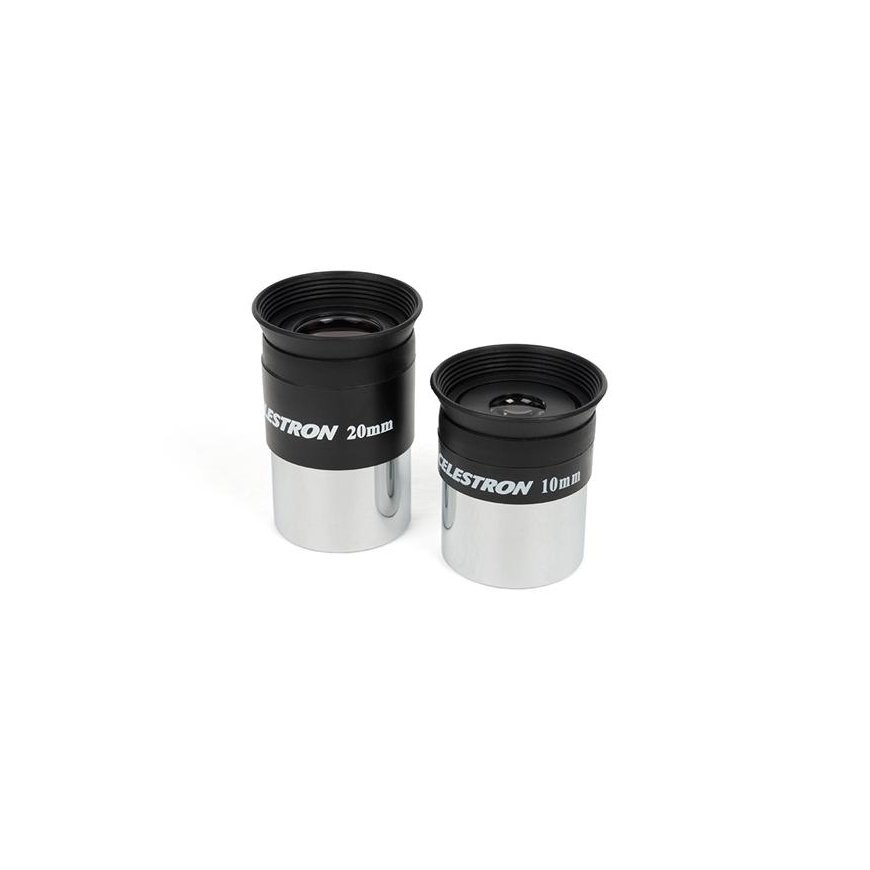
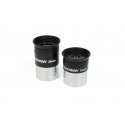
- Eyepieces included (1.25"): 10mm and 20mm
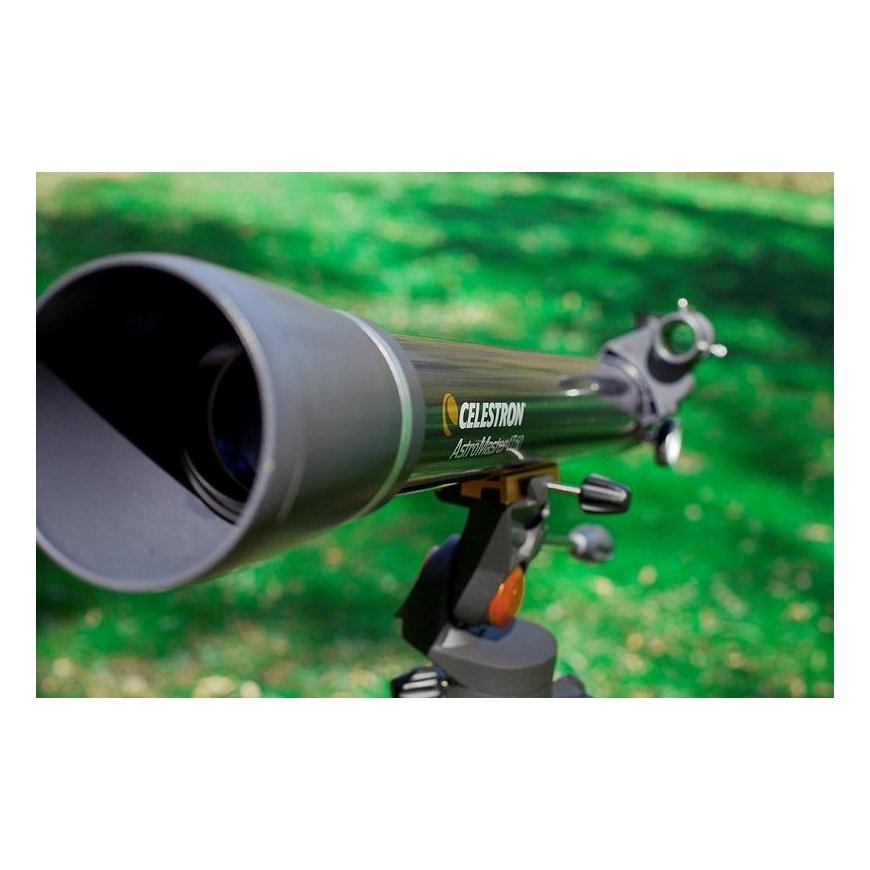
- Red dot finder
- 1.25' diagonal
- Multi-coating of lenses
- Alt-Az type mount with steel legs
- The SkyX-First Light Edition astronomy software with over 10,000 sky objects with the ability to print sky maps. In the program, more than 75 enchanting photos of celestial objects (in English)
If you are going to observe the moon or the planets, a refractor is an excellent choice. The fact that it does not need to be collimated (alignment of the optical axes) can also encourage you to buy this type of telescope, which makes it extremely convenient to use. You just take it outside and you can start observing.
This telescope is equipped with an azimuth mount and a steel tripod. This mount is quite sturdy and very suitable for nature and low magnification sky observation.
If you are going to hunt for galaxies or fainter "inhabitants" of the sky, we recommend choosing a larger diameter reflector or catadioptric telescope.
This telescope is equipped with an azimuth mount and a steel tripod. This mount is quite sturdy and very suitable for nature and low magnification sky observation.
If you are going to hunt for galaxies or fainter "inhabitants" of the sky, we recommend choosing a larger diameter reflector or catadioptric telescope.